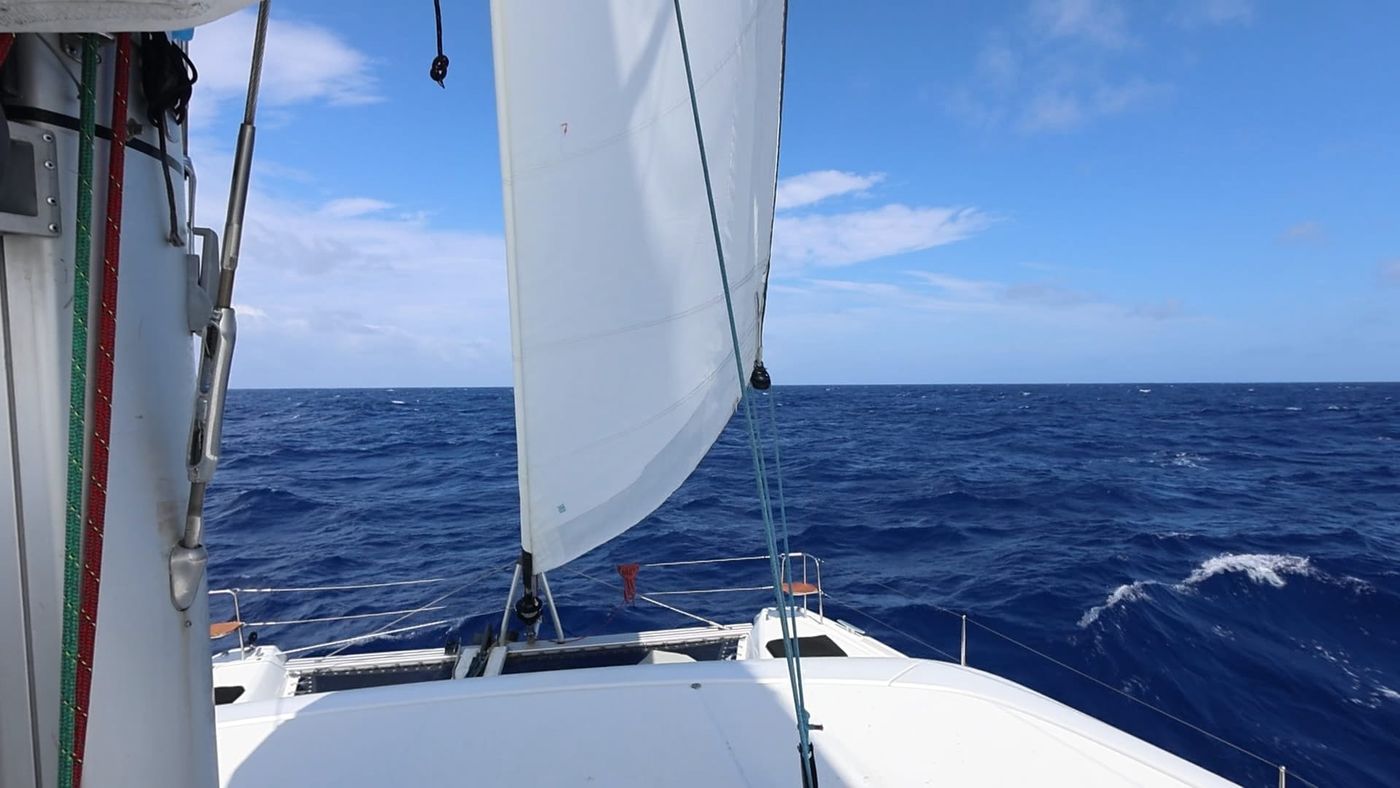
There’s something about leaving a place you’ve spent months exploring that makes a passage feel a little different. For most cruisers, life is divided into two distinct seasons: cruising season and storm season. Typically, you find yourself based in one region for several months, island hopping, before making a series of larger jumps to better position yourself for storm season.
We’ve been in Fiji since June, and after months of exploring the islands, it was finally time to move on. As we checked out of the country and set sail for the four-day passage to Vanuatu, that familiar mix of excitement and anticipation started to build. Our sights are now set on Australia for cyclone season, with two more stops along the way: Vanuatu and New Caledonia.
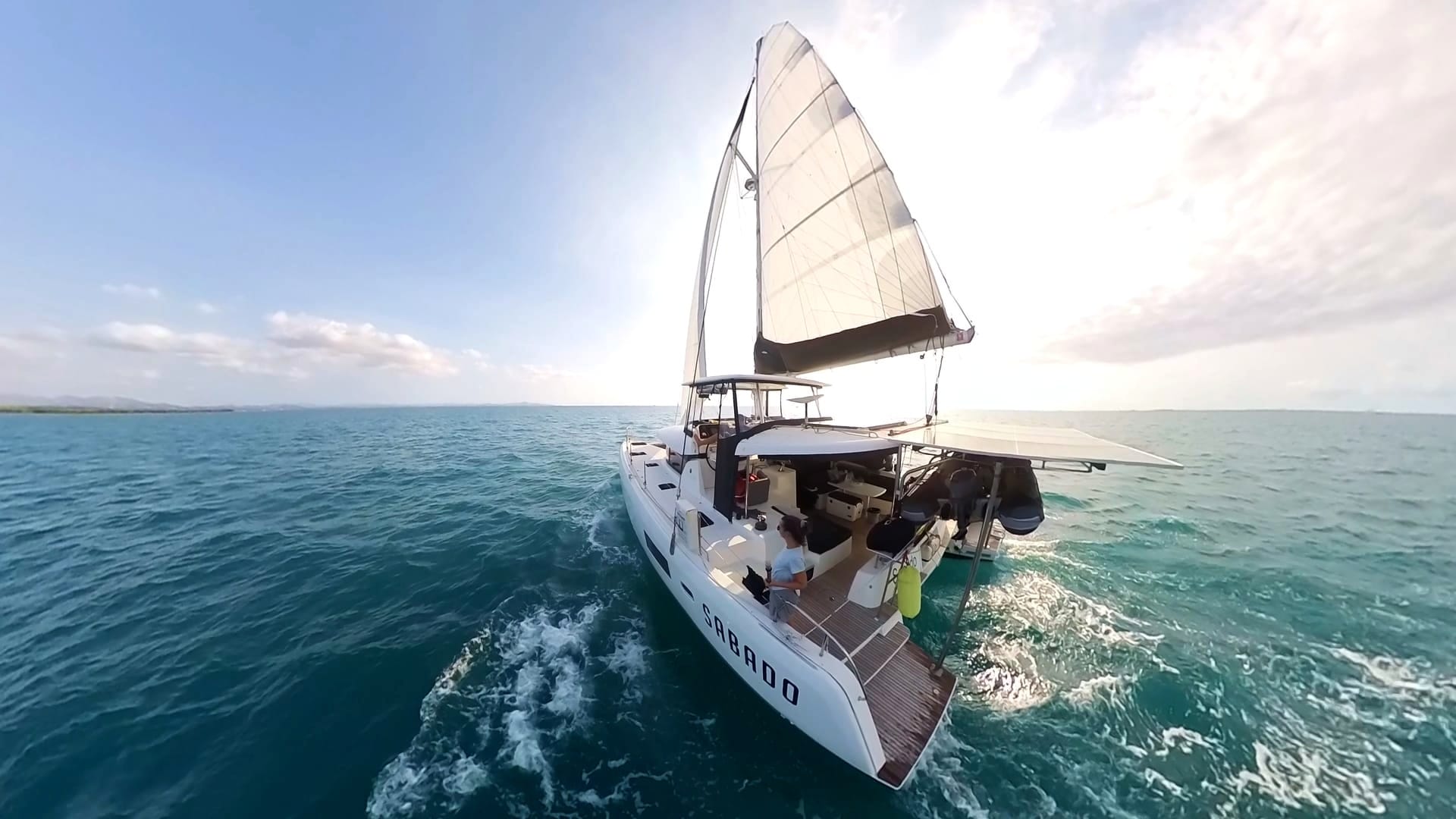
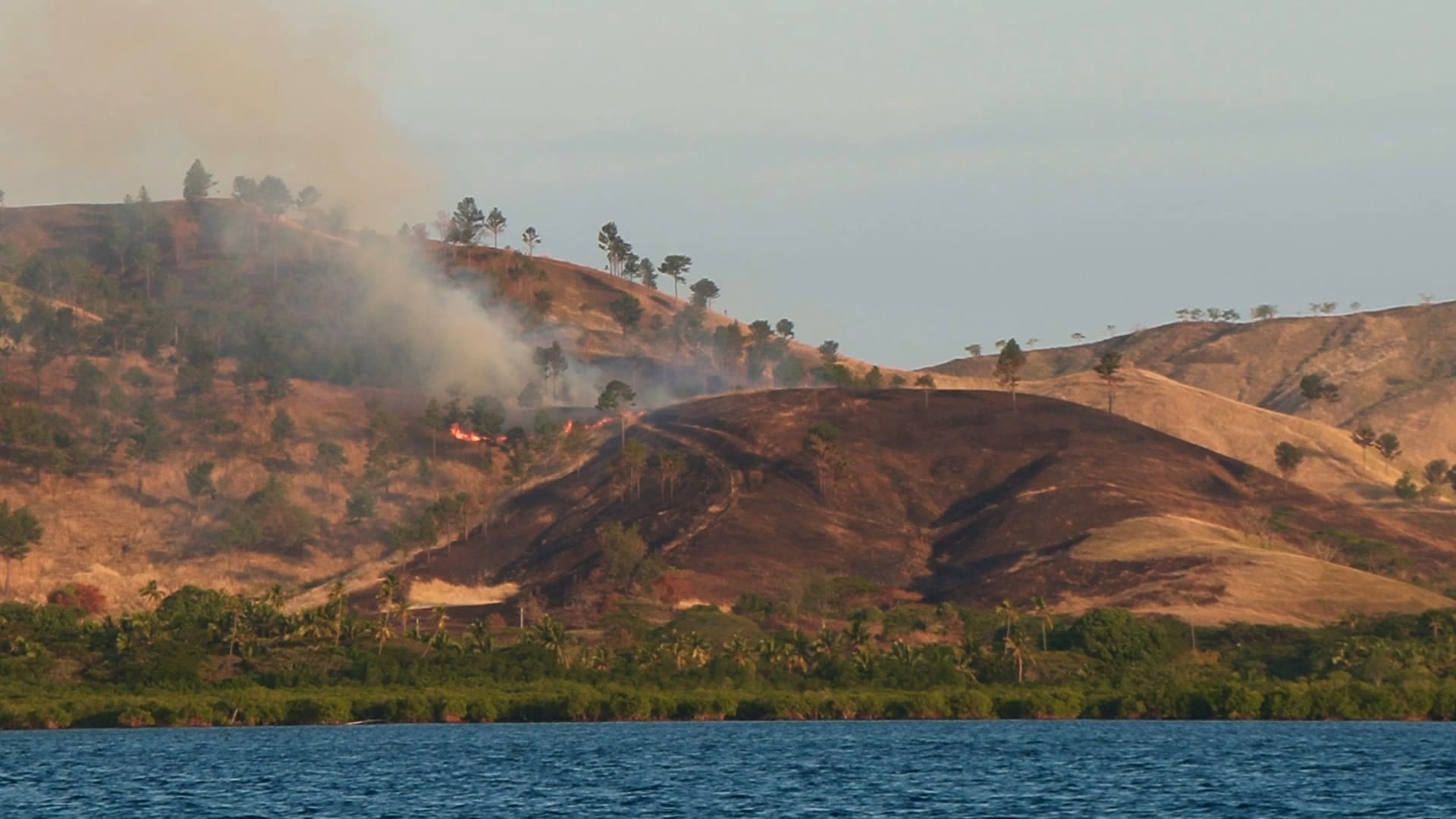
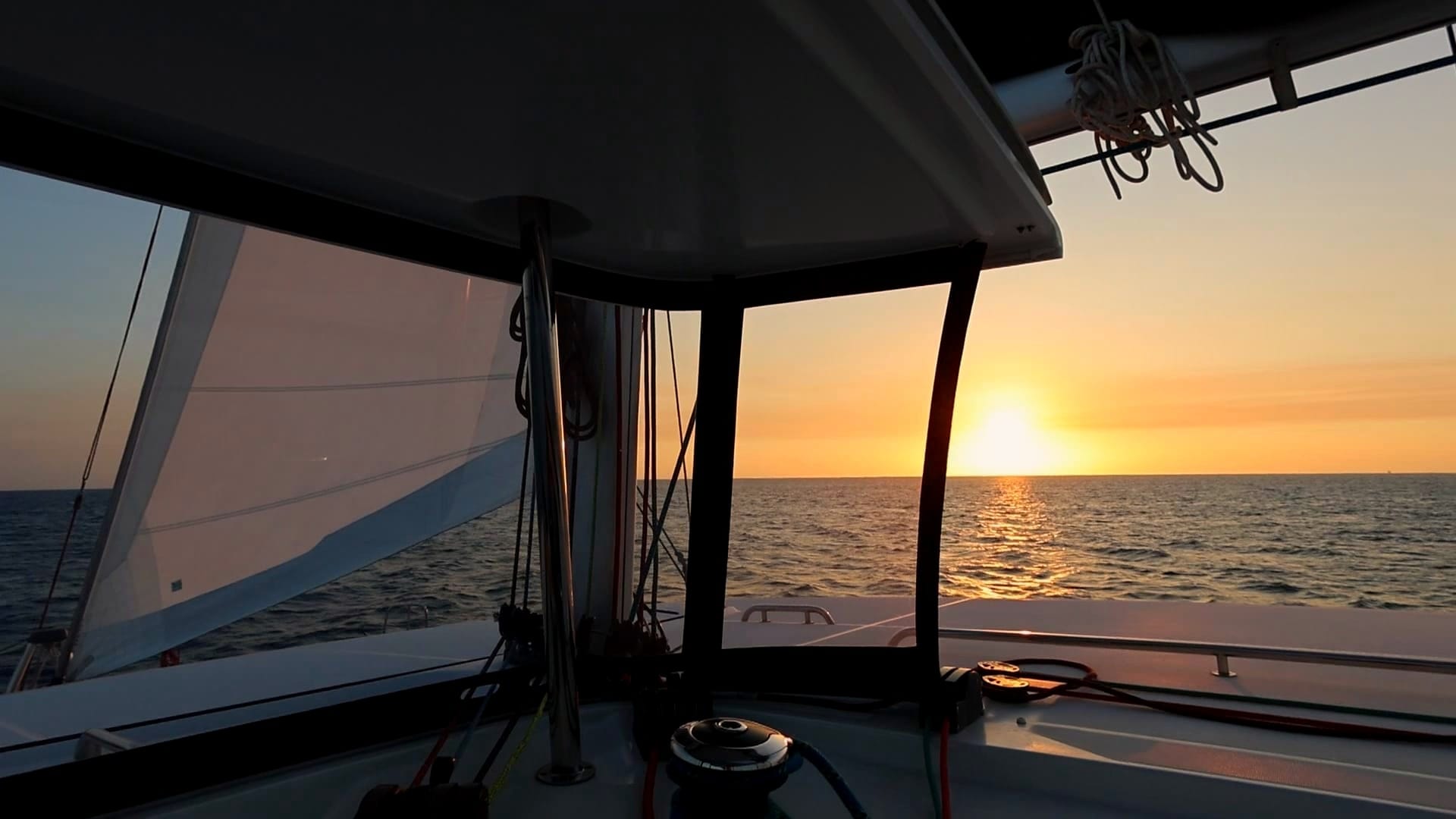
As we left Viti Levu, we were lulled into a false sense of security. The seas were flat, and we motored past the clouds of smoke from the sugar cane garbage fires before finally getting just enough wind to hoist the sails and shut the engines off at sunset. We ate dinner together at the helm, gawked at the beautiful sunset, and gulped up the fresh, salty air. It was the perfect start to a passage.
Things picked up pretty quickly that night, though. The wind and sea state jumped, and we found ourselves in confused, current-against-wind, sloppy six-foot waves with around 25 knots of wind. We had two reefs in the main and one in the jib, but Sabado was still flying along at over 8kn throughout the night. Thankfully, we also had a nice, bright moon to keep us from feeling like we were inside a washing machine. There's something reassuring about being able to see the waves coming, even when they're doing their best to throw you around.
We were pleasantly surprised by how quiet our new rig was, and happy with our decision to reinforce our escape hatches when we were hauled out as we laid in the salon, listening to the waves pummel down the center of the boat between the hulls. After all the work we have put into this boat, cruising this season has been so rewarding. Side note: man, having a Nespresso machine so we can make single cups of coffee on demand while on watch is a game changer!
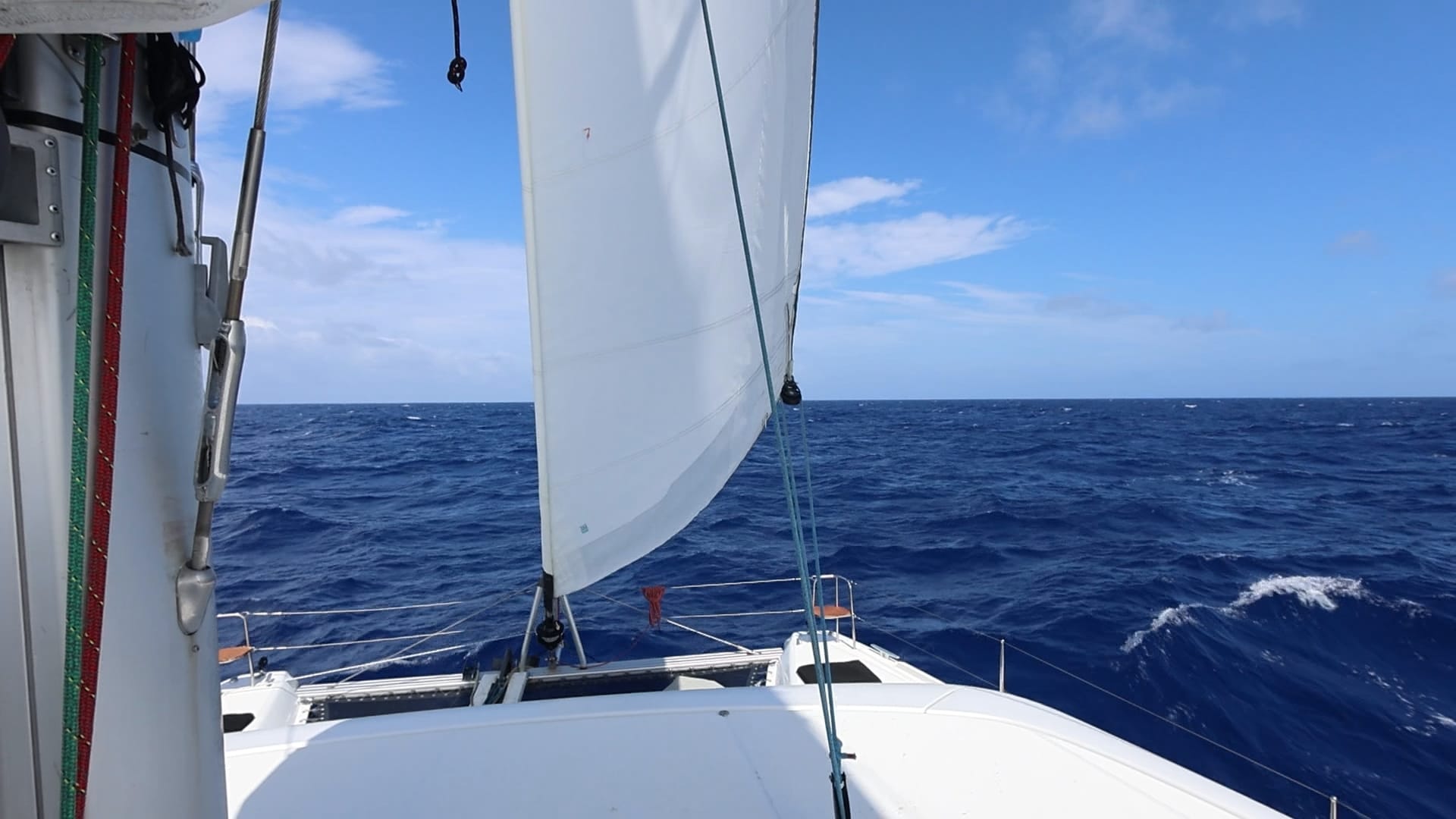
By day two, we'd made it far enough away from Fiji to leave the current behind. The seas were still large and in charge, but they were more predictable, and life aboard became considerably more comfortable. We put out our fishing lines and settled into the rhythm of passage making.
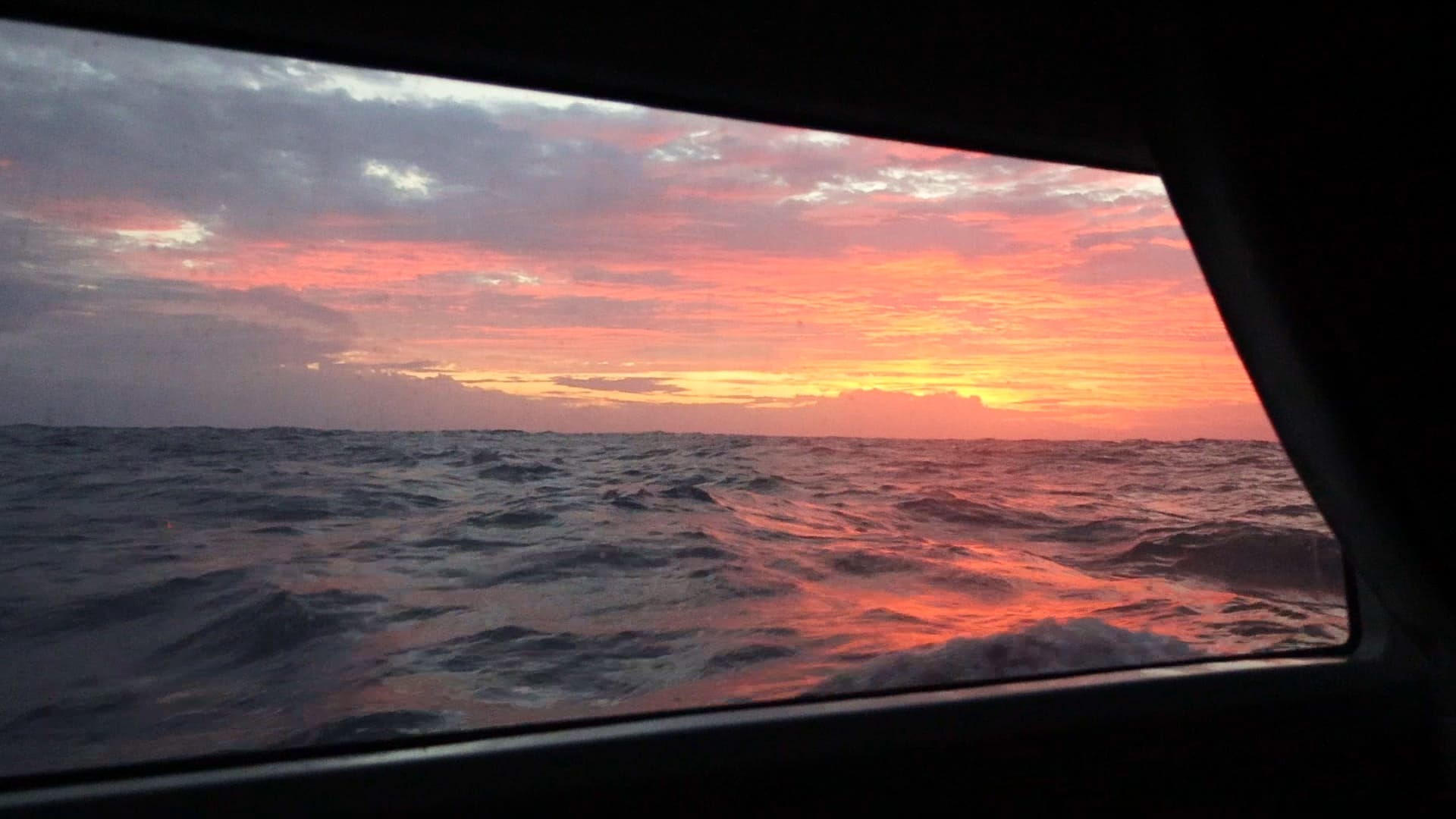
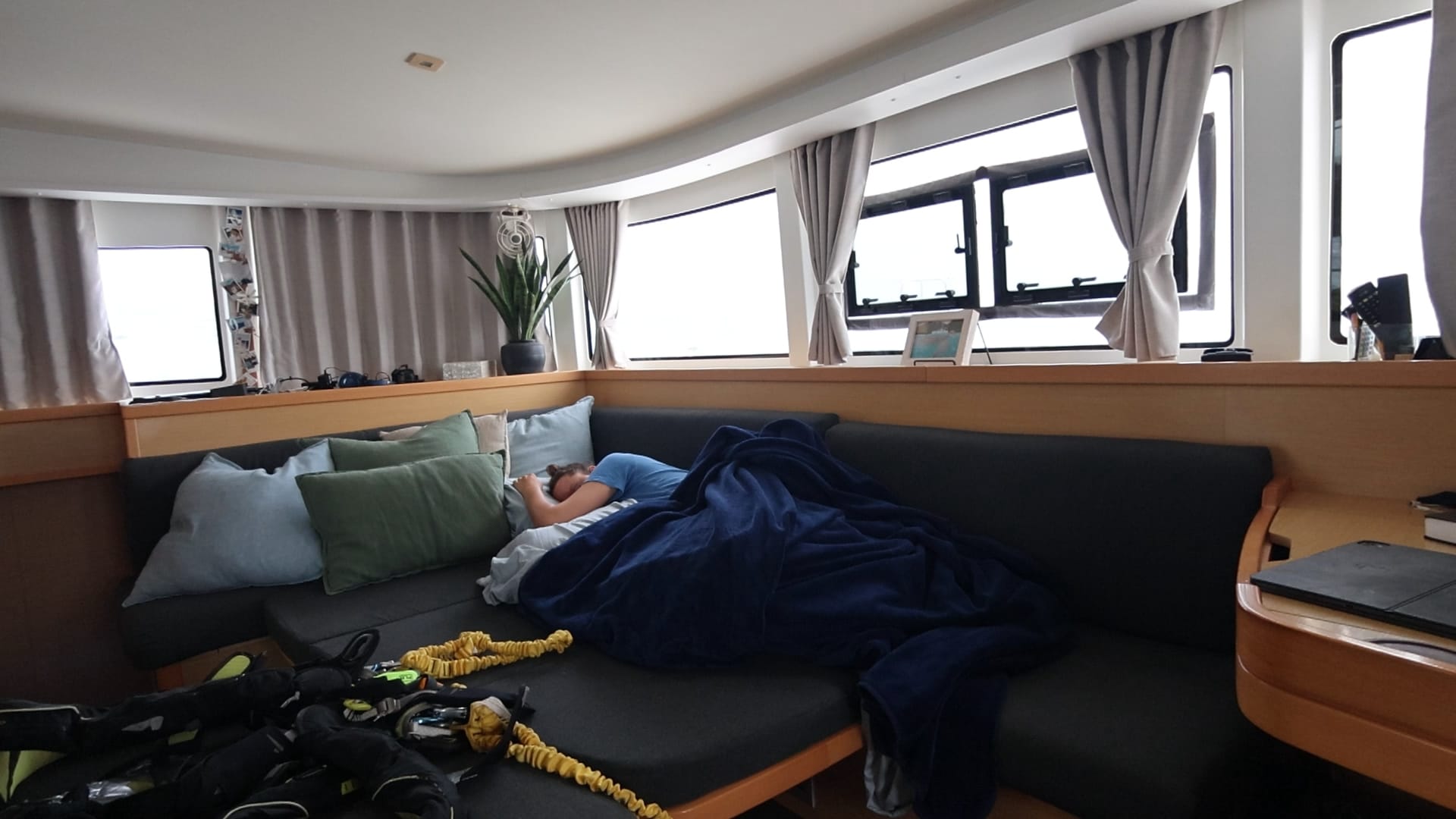
The wind had dropped to around 18 knots, but we decided to stay reefed. We were still having a great time, and honestly, we were feeling a little lazy after our first night of sleeping in shifts. When the boat is moving well and everything is working as it should, sometimes there's not much motivation to start messing with sail configurations just because you can.
That afternoon, we pulled in a bonito tuna. They’re not a fish we particularly enjoy eating, and with a full freezer from our pre-departure provisioning, we decided to toss it back.
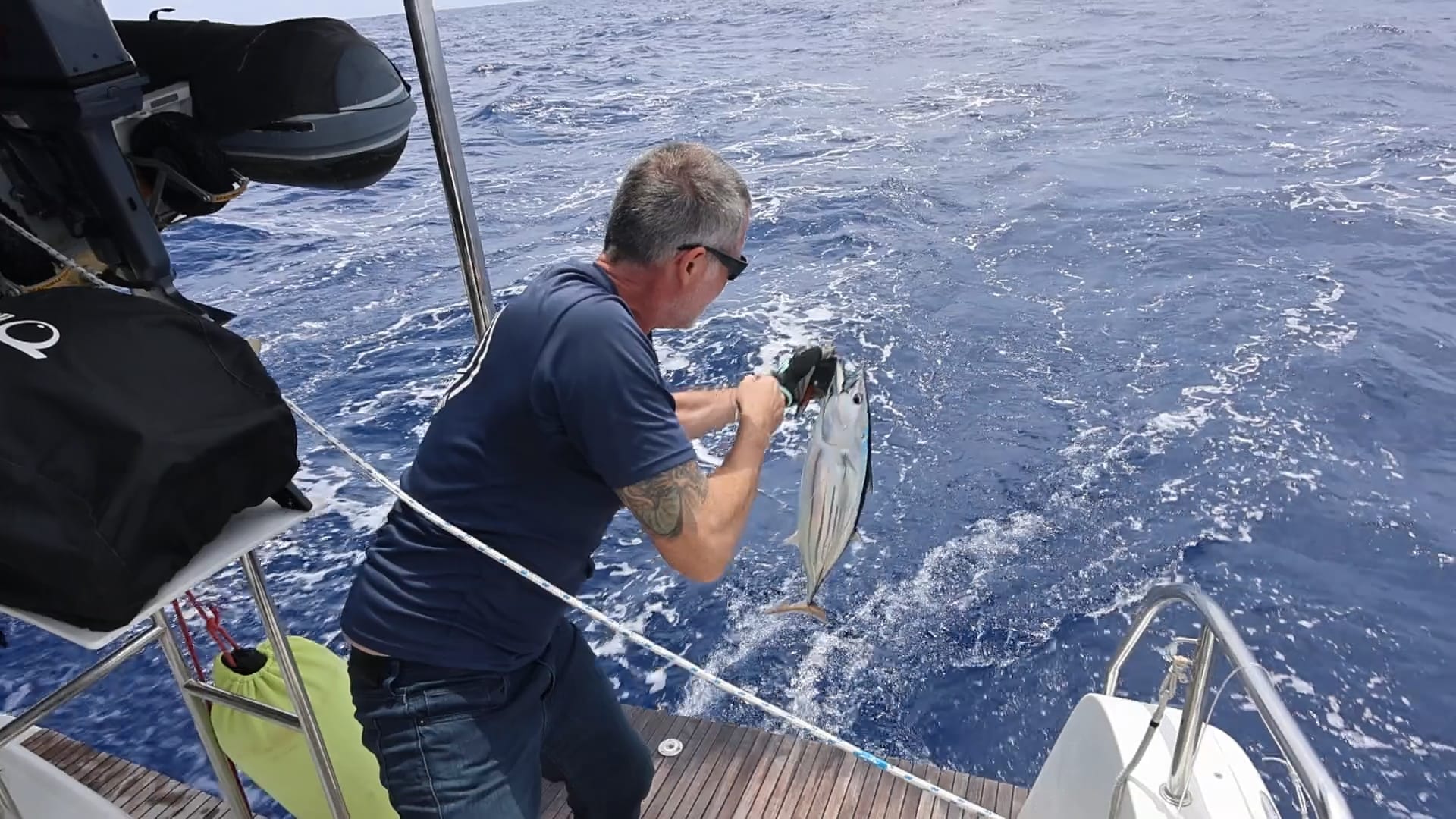
It did get us thinking about our fish-handling setup, though. I’m curious to hear what your process is when you bring a fish aboard. Do you have a designated spot for it, put it in a bucket or cooler, or just let it flop around in the cockpit?
After catching a particularly energetic mahi-mahi on our passage from New Zealand, we ended up having to scrub the entire cockpit to get rid of the fish blood. It was a mess! Since then, we’ve been thinking about how to make the whole process a little less chaotic.
We decided to empty out the cooler we use as a bench seat and snorkel gear storage in the cockpit, figuring it could double as a fish box when we need it. The plan is to put the fish straight inside rather than let it loose on the cockpit floor. We didn’t get the opportunity to test it out this time, but hopefully it’ll make our next catch a little less messy.
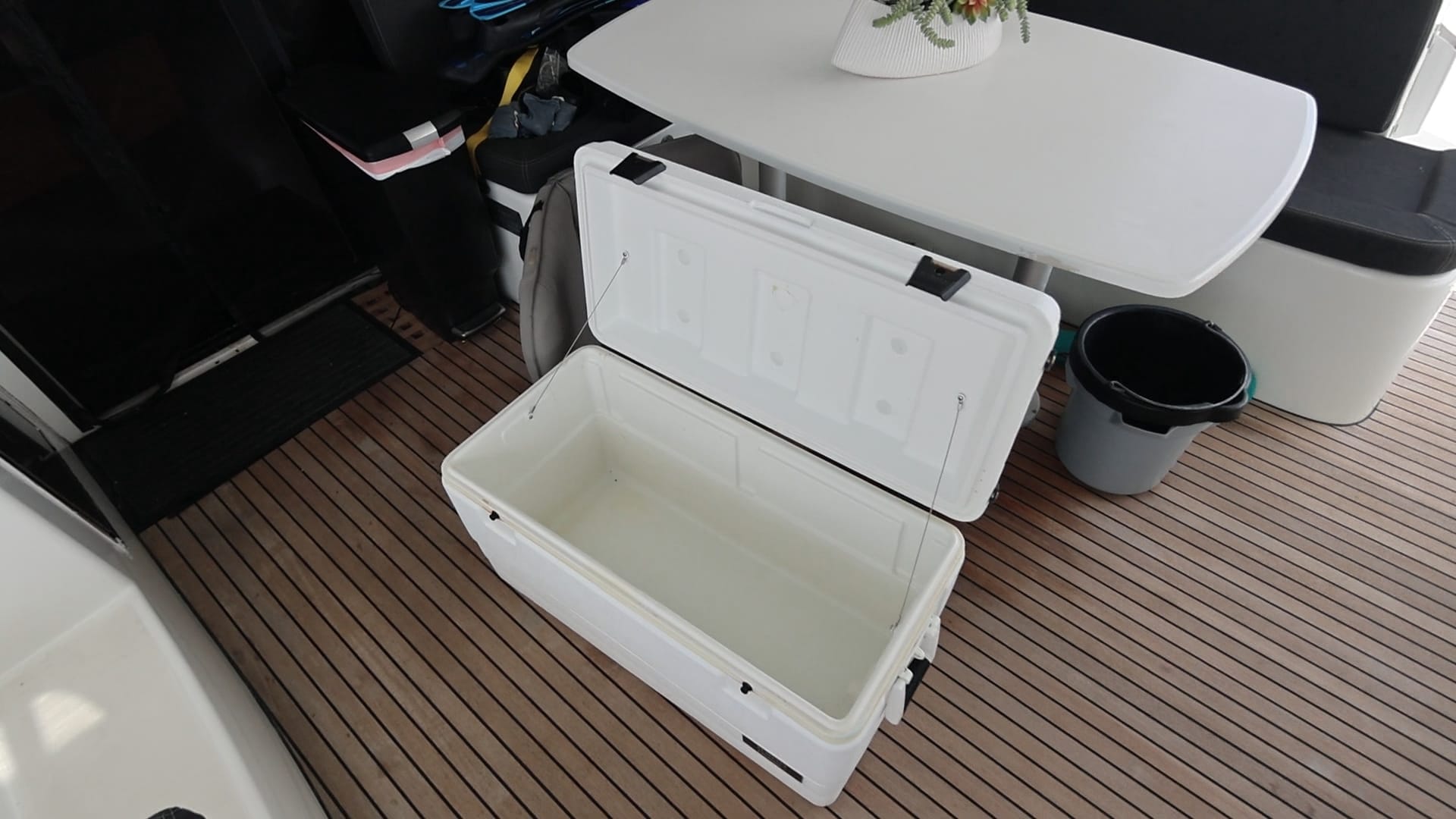
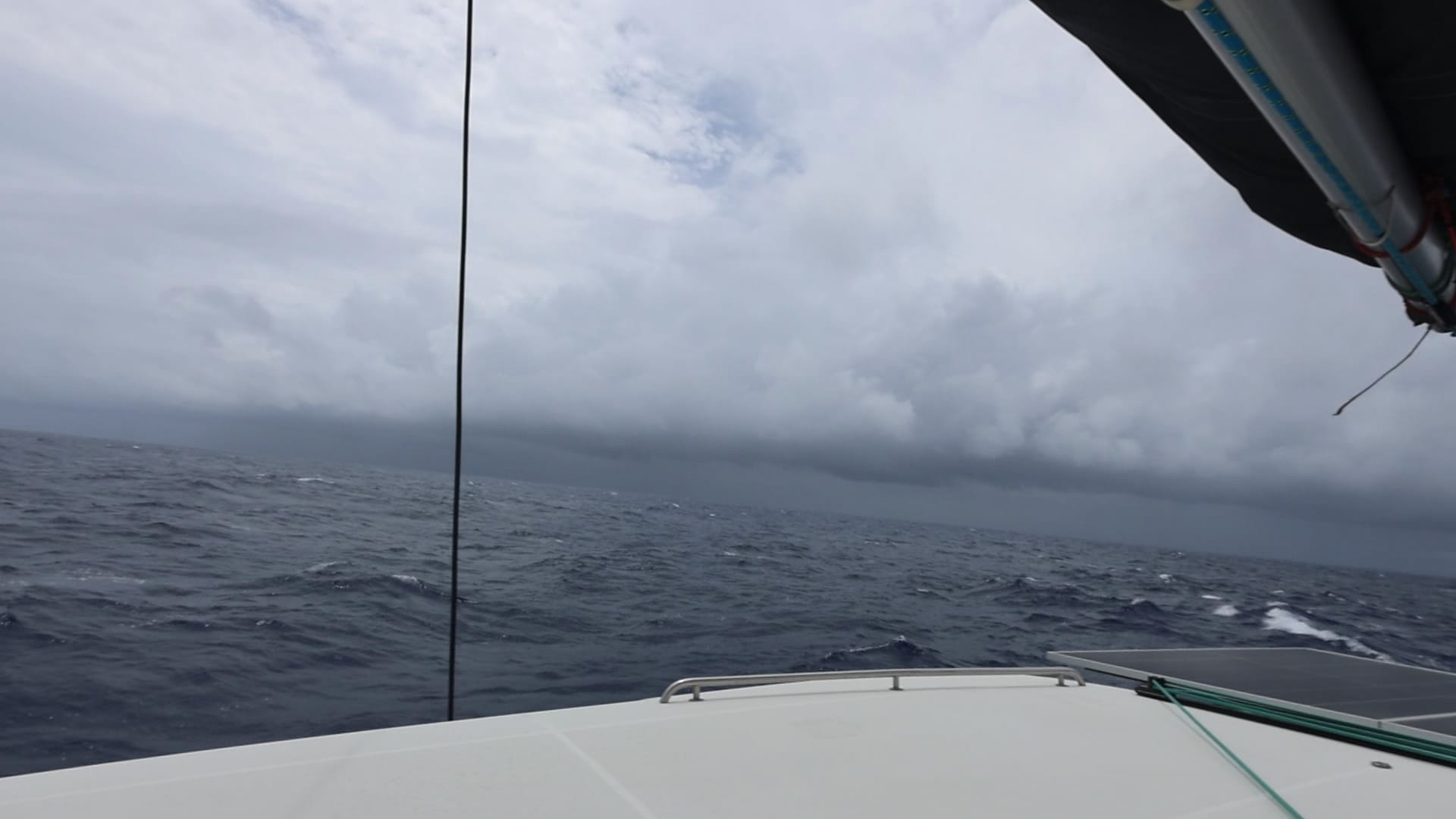
So, fellow cruisers, what’s your system? We’d love to hear your tips for keeping the cockpit clean when bringing fish aboard. Some clouds rolled in and we decided to jibe earlier than we had originally planned to dodge a big squall.
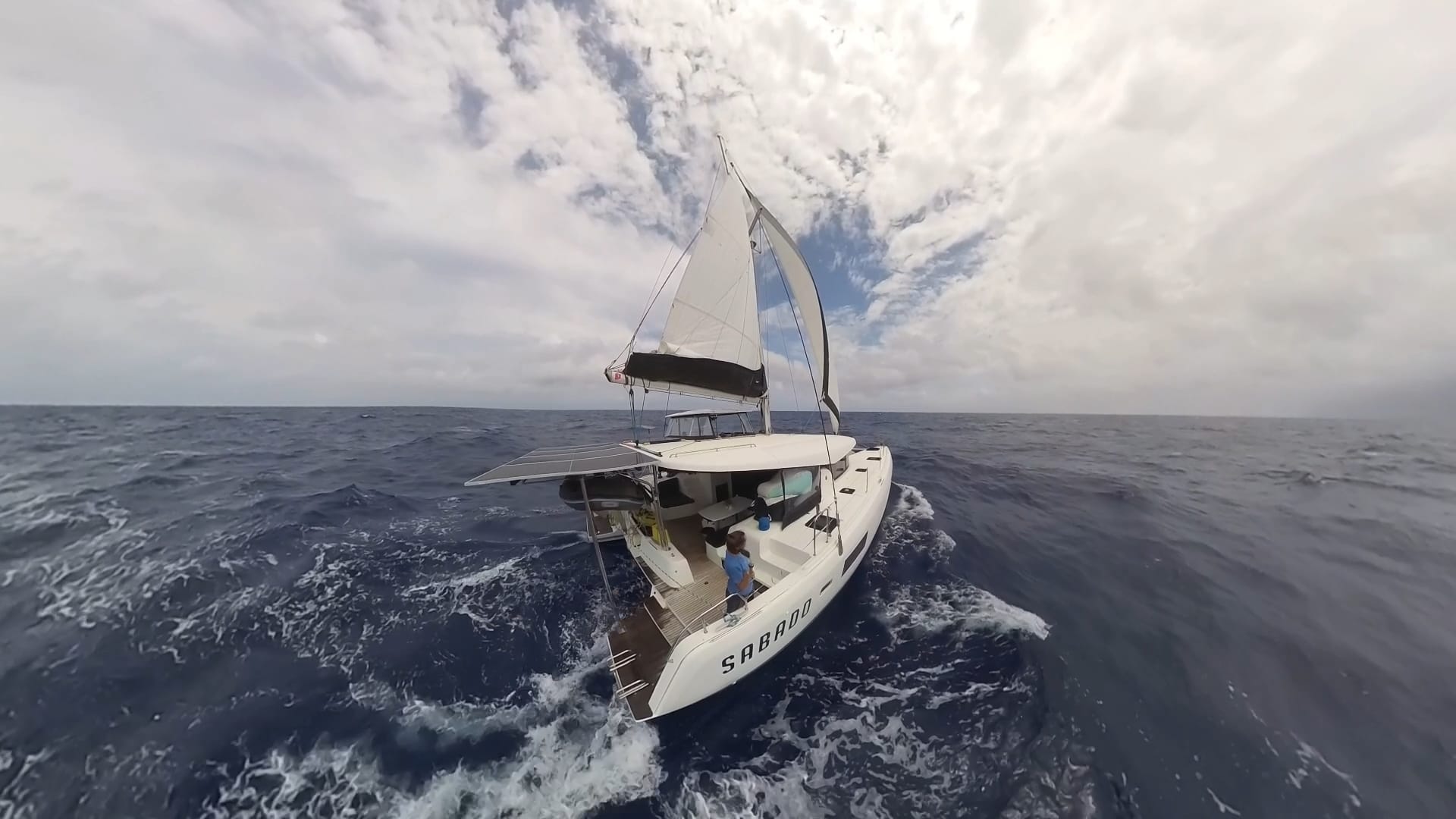
We were still making quick progress toward our destination when, just before dark, Ray smelled a whale. I swear it’s some sort of sixth sense he has, and he’s been right on multiple occasions.
It is humpback whale migration season here in the South Pacific, and I’d just read about a boat near New Zealand that had hit a whale and sunk. The four people aboard had managed to get into their dinghy, deploy their liferaft, and were eventually rescued by a cargo ship. Reading that story had already put the thought of hitting a whale in the back of my mind, so Ray smelling one nearby just before dark felt extra unsettling.
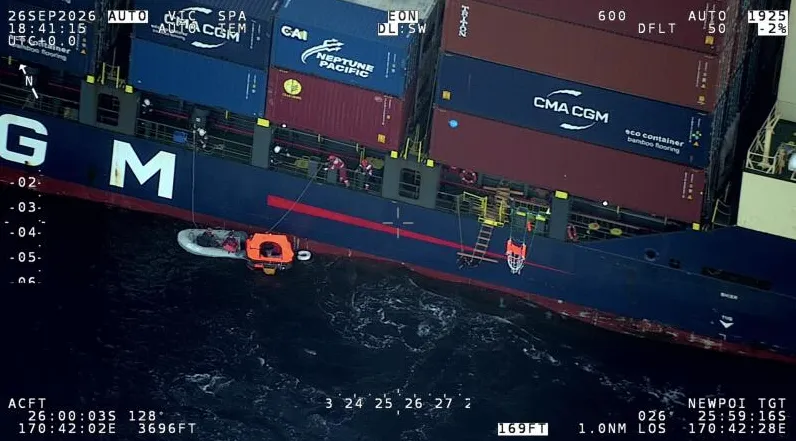
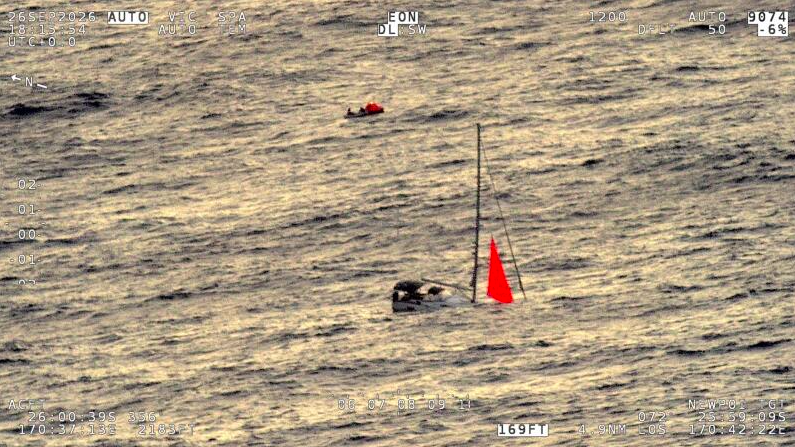
We both paced around the boat, searching for a dead flying fish or squid that could explain the smell, but came up empty-handed. So, we kept an extra-sharp lookout that night, scanning the water as best we could in the darkness. Thankfully, we didn't spot any whales, and the rest of the night passed without incident. Still, it's a strange feeling knowing these massive animals could be swimming just beneath the surface, completely invisible in the dark, while you're sailing along at 8+ knots.
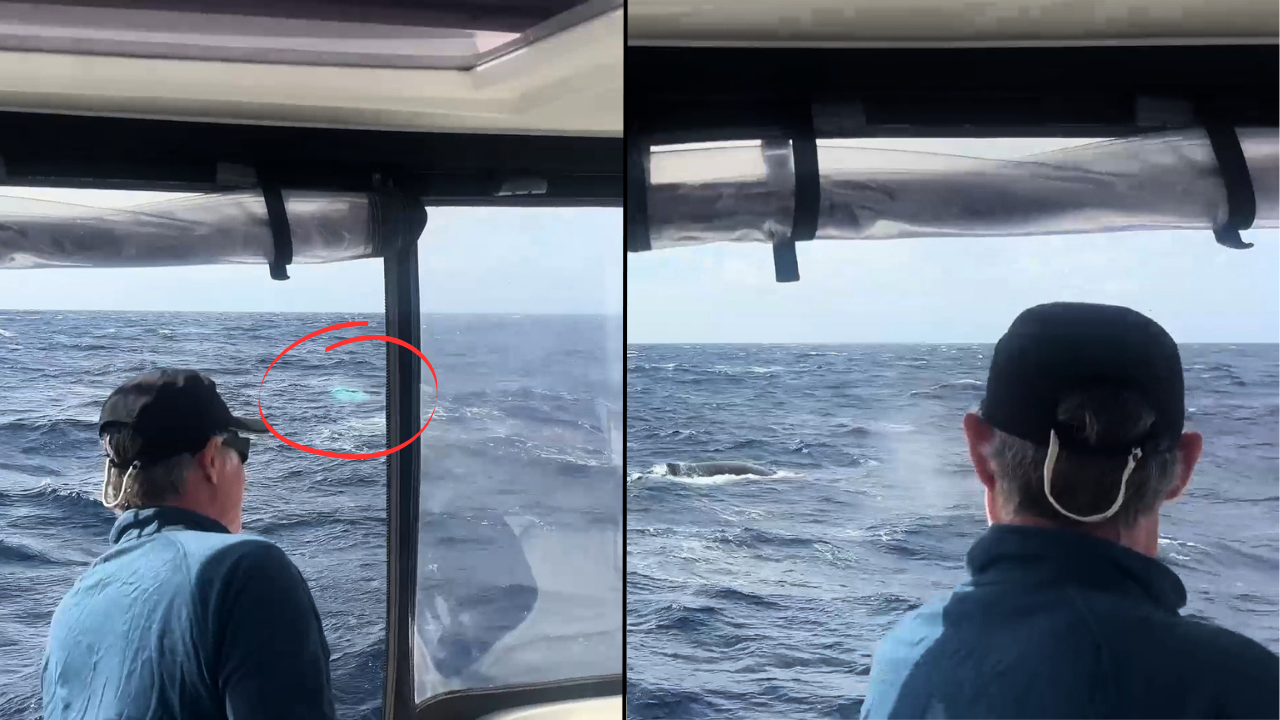
I remember one close encounter we had last year in Tonga. We were sailing fast, surfing down huge following seas, when all of a sudden, the water about 100 feet in front of us started looking lighter. I initially thought it was foam from a breaking wave, but thankfully, Ray recognized it quickly. It was a whale rising from the depths.
Whales can dive hundreds of feet, and some species can stay underwater for an hour or more. Humpbacks typically make shorter dives, often lasting around 5–15 minutes, but they can still surface unexpectedly right in your path.
Ray tacked with just seconds to spare, and we watched as the whale surfaced and blew right next to us. At the speed we were going, I can't imagine the damage that could have occurred if we'd hit it. I remember us quietly looking at each other, wide-eyed, taking in what had just happened. I walked downstairs and brought our ditch bag up into the cockpit, something we usually do for every passage, but this had just been a simple day sail. It was a sobering reminder of how quickly things can change on the water, and how easy it is to become complacent when you're close to land or just in the rhythm of living aboard. All emergency gear should be readily accessible, not buried somewhere below decks when you need it most.
Anyway, back to this passage!
By day three, the wind had started to calm down, and the seas gradually flattened out. We struggled a bit in the afternoon with the waves coming in on our beam, playing the balancing act of maintaining speed, making progress in the right direction, and finding an angle where the sails wouldn't spill all their wind every time the boat rolled over a wave, leaving them flopping loudly back and forth.
Eventually, the wind died, and we dropped the sails and motored through the night, periodically pulling the jib back out whenever we felt optimistic that the breeze might return (it didn't).
We did our best to time our arrival for first light since we were unfamiliar with the area and wanted to be able to see where we were going. We reached the entrance just before dawn and drifted around for a bit, waiting for enough light to make our way in safely.
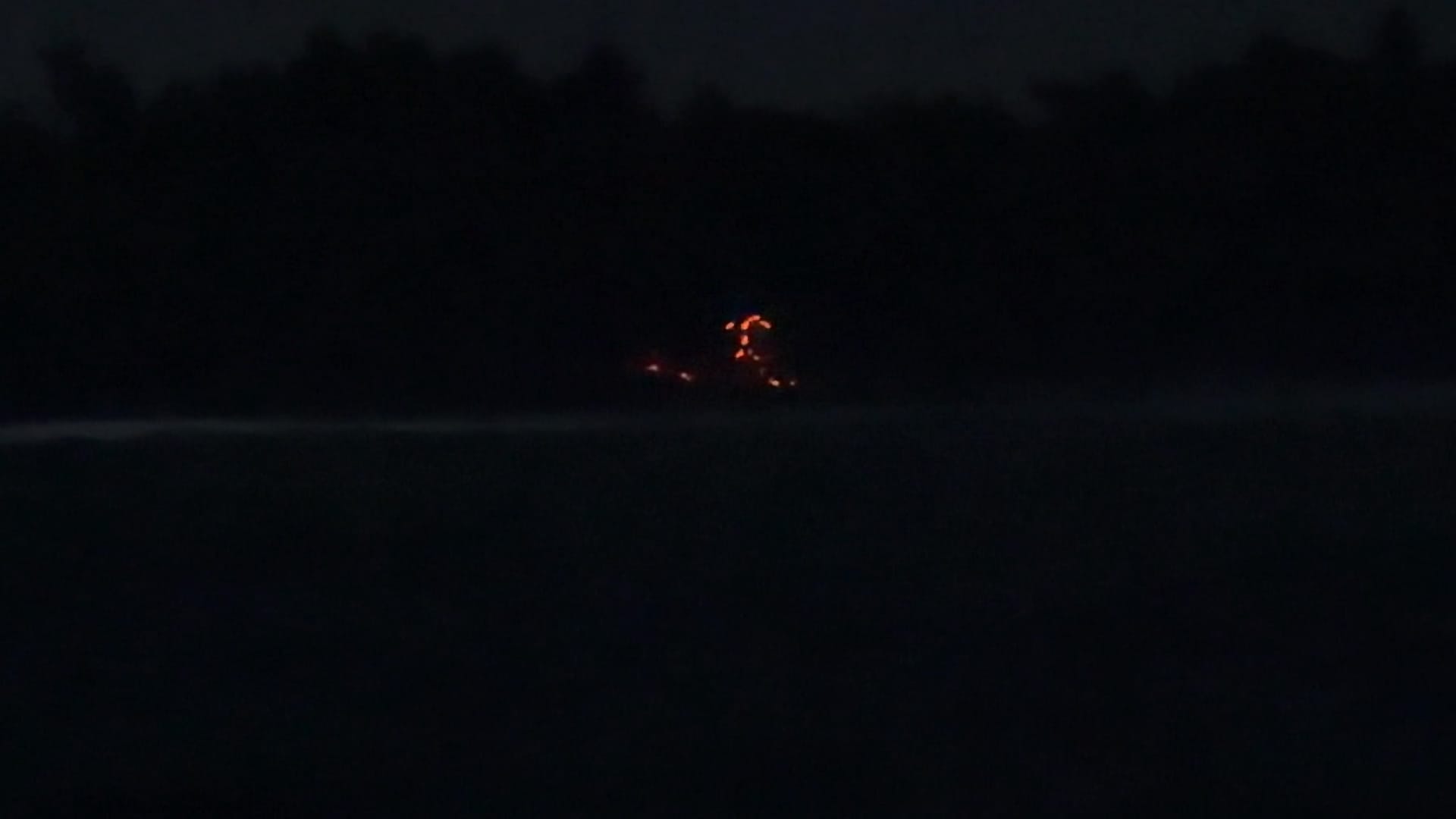
As we approached the bay, we noticed a section of rocky hillside glowing bright orange. It was pouring rain, making it difficult to see any detail, but it definitely got us excited. Given that we were arriving in Vanuatu, a country known for its active volcanoes, our minds immediately went to volcanic activity. I tried searching online to figure out what we were looking at but couldn't find anything that matched. Was it simply something burning, or some sort of volcanic glow? I still have no idea!
We eventually made our way into the anchorage, bundled up in our foul-weather gear, and got the anchor down. The locals didn't seem phased by the downpour. They were still paddling around in their fishing boats as though it were just another day, so I guess I shouldn't complain about getting a little wet!
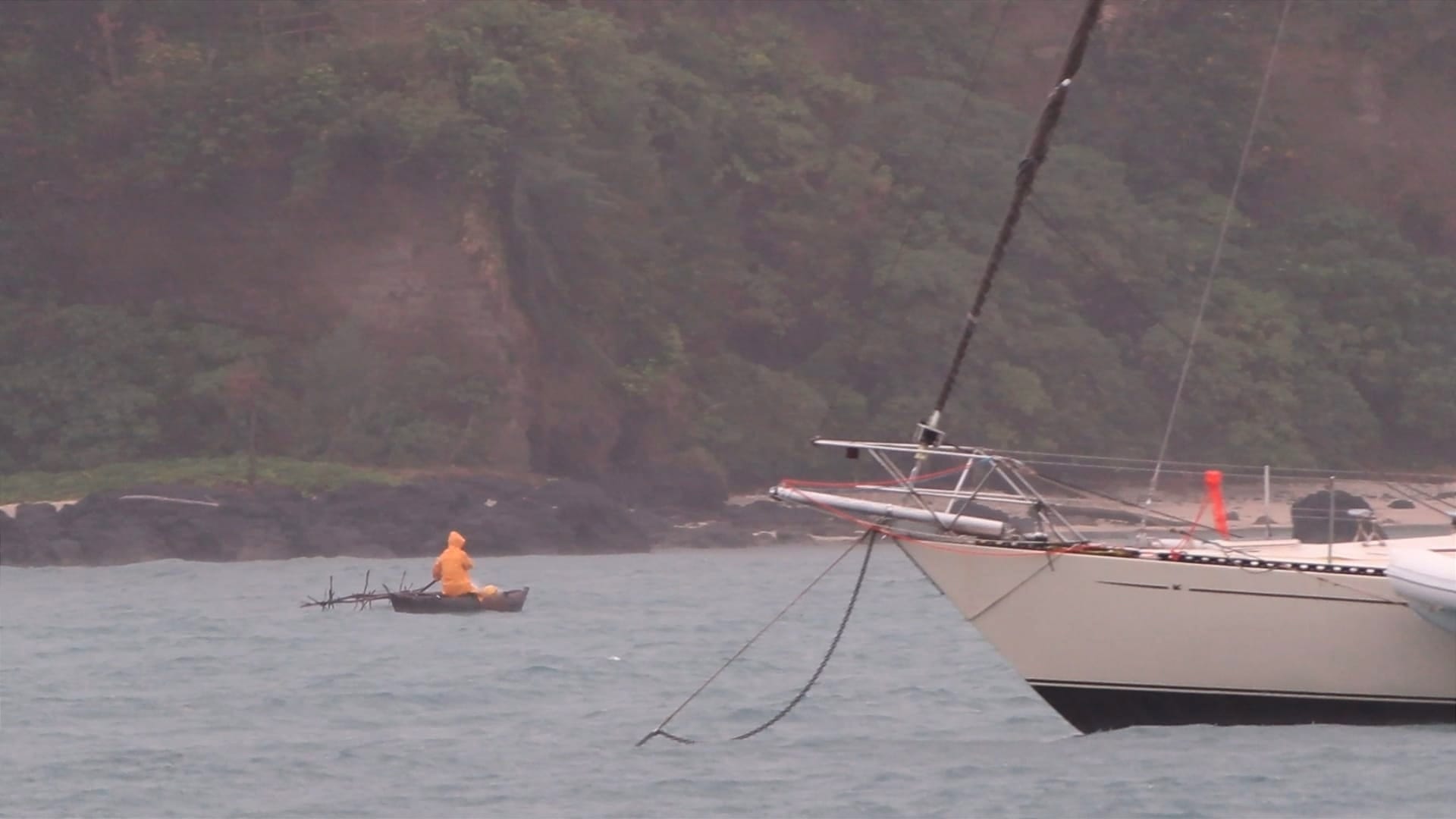
Almost immediately, we were grateful to be on a catamaran. The anchorage was very rolly, and the monohulls around us were getting tossed violently from side to side. Sabado, on the other hand, was holding pretty steady. We spend far more of our time living at anchor than we do underway, so comfort and stability at anchor play a huge role in our day-to-day quality of life.
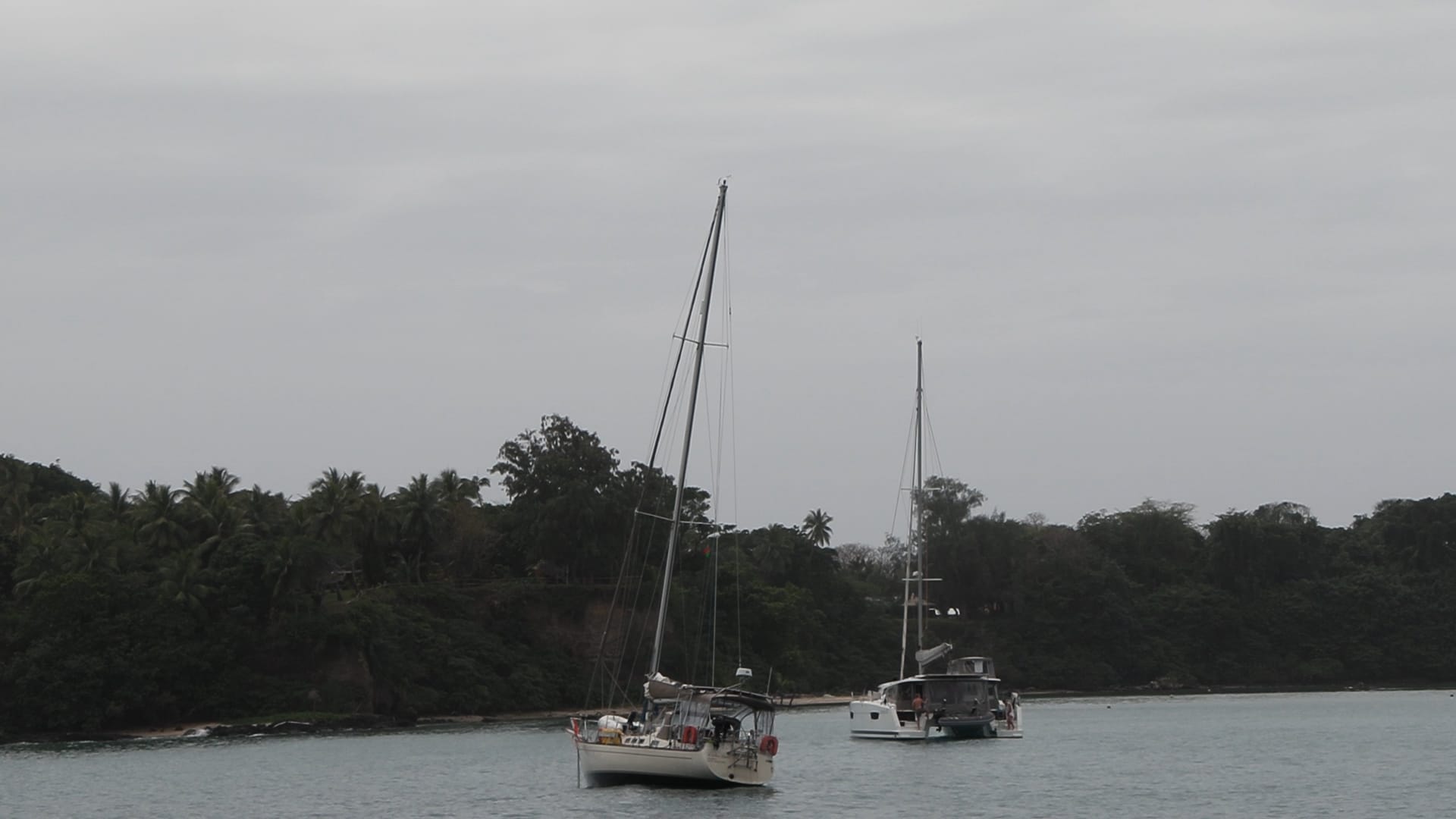
We both took hot showers, squeezed in a quick nap, and warmed up with some chicken noodle soup before the customs and immigration officials arrived to clear us into the country.