
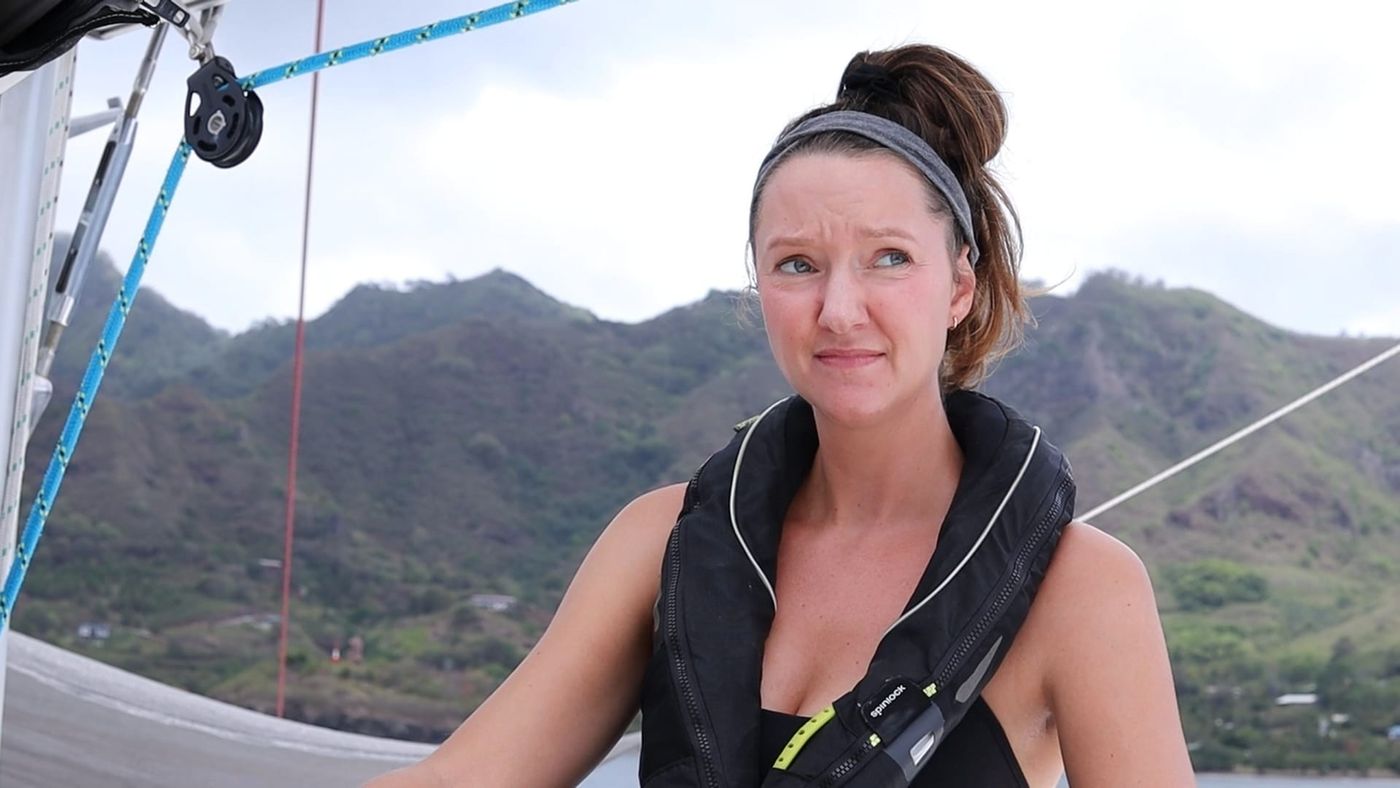
I struggle with seasickness, which is a pretty major inconvenience when you live full-time on a boat. Among liveaboard sailors, it’s actually far more common than you might think.
For the past six years, I’ve tried just about everything: ginger candies, electrical pulse and pressure-point bracelets, different medications, and every little trick someone has told me might help. These days, I might feel a little woozy once or twice a year, usually in rough conditions and at night when I can’t see the horizon. Although I definitely haven’t cured my seasickness, I’ve found three things that have made a huge difference for me:
1. Medicate Early
If I have even a suspicion that a multi day passage might be rough, I’ll take one Dramamine Less Drowsy tablet before we leave. This specific medication works best for me without making me feel too sleepy to keep watch.
My goal is to prevent that first wave of seasickness rather than trying to fight it once it has already arrived. One tablet will usually get me through the first full day of a passage, giving me time to adjust to the motion of the boat. By then, the odds of me feeling sick are much lower.
If I need a little extra help after the Dramamine wears off, I use these drug free behind the ear patches. They work surprisingly well for me, especially when I wear something with a hood that helps me smell them more strongly. I’ll take more Dramamine if I need to, but that’s rare when I use the other tactics below.
2. Eat More Carbs
This is probably the single biggest thing that has helped me.
When I’m feeling even slightly queasy, eating carbohydrates seems to settle my stomach quickly. It doesn’t have to be a full meal. Sometimes it’s just a few crackers or a rice cake, something easy to nibble on while I sit at the helm.
Having something to eat gives me something else to focus on, too. And when you’re prone to seasickness, distraction is your friend.
3. Keep Your Brain Busy
One of my favorite tricks is to give my brain plenty of other things to focus on.
I’ll listen to a captivating audiobook, podcast, or upbeat music, usually with just one earbud, because I still want to hear Ray talking to me, notice a change in the wind, hear an alarm, or pick up on anything unusual happening on the boat. For me, one earbud is the sweet spot. I get the distraction without completely tuning out my surroundings.
I also like to stay at the helm whenever I can. Being able to see the horizon and feel the wind on my face always helps. I’ll analyze the numbers on the chartplotter, hand steer for a while, or find something physical to do, like pulling all the lines out of the line bag and re-coiling them.
None of these things magically stop the boat from moving. But they give my brain something else to process besides the constant motion underneath me. And I think that’s the real trick: the more mentally engaged I am with other things, the less I notice how much the boat is moving.
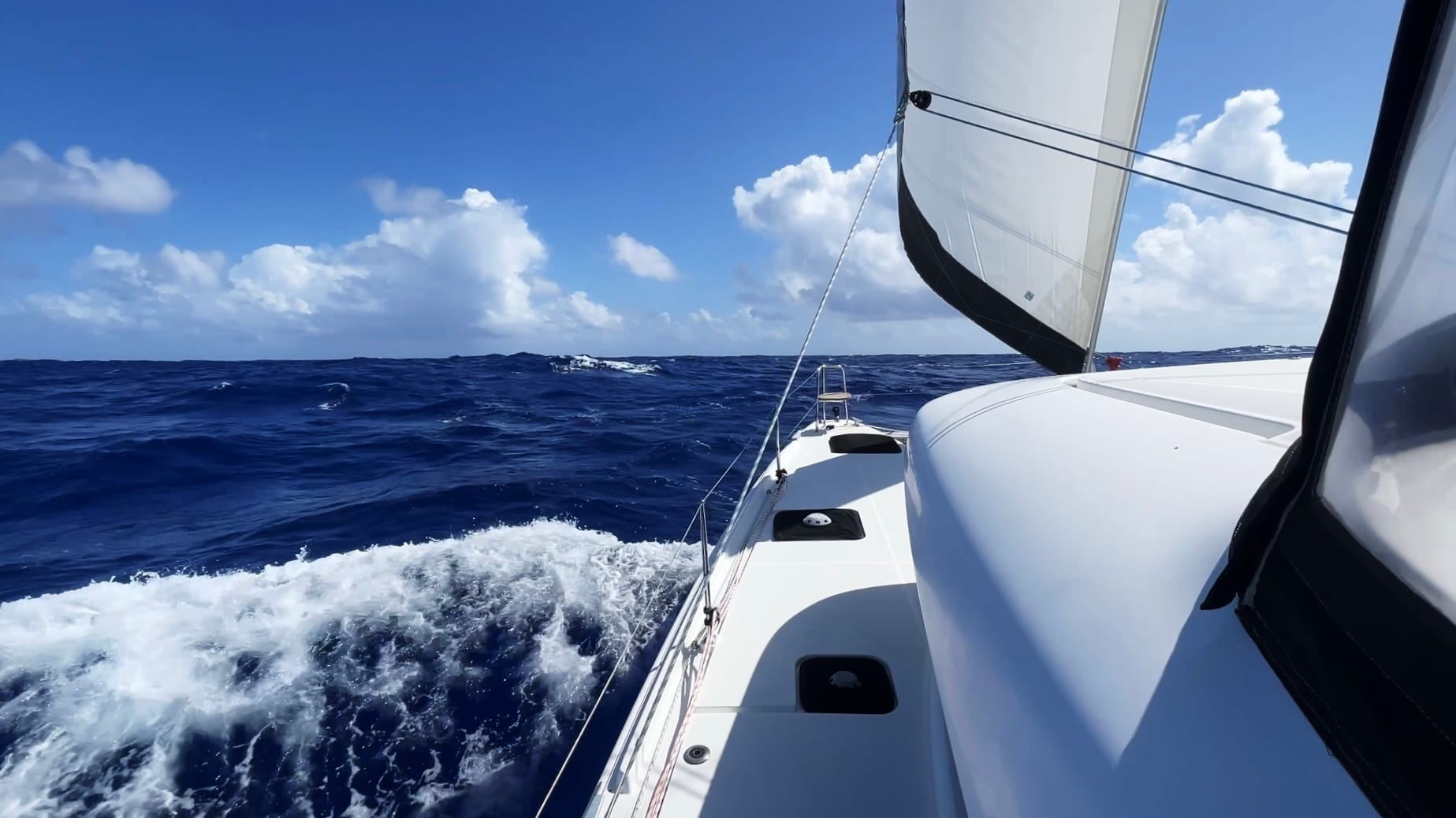
I Still Get Seasick
After six years of living aboard, I haven’t become immune to seasickness. But going from regularly feeling sick to only occasionally feeling a little woozy in very rough conditions has been a huge improvement. For me, the biggest lesson has been don’t wait until you feel sick to start dealing with it.
Of course, what works for me might not work for you. Seasickness is incredibly individual, so it can take some experimentation to figure out your own combination of strategies. But after six years of trial and error, these are the three things that really make a difference for me. What are your best tips to manage sea sickness?
This post contains Amazon affiliate links, which means I may earn a small commission if you make a purchase through one of these links, at no additional cost to you. I am not sponsored by or paid by anyone for this post; these links simply help support our blog.