
We had our card compromised after a pizza night in the Bahamas. That's all it took. One dinner ashore, and a few days later dozens of charges we didn't recognize started showing up.
When you live on land, this is an annoyance. You call the bank, they cancel the card, a new one shows up in your mailbox in three business days, and you get on with your life. On the water, it's a logistical nightmare. We ended up having to send the replacement card to a friend and wait several weeks until they flew in to visit us (thank you, Eve!).
In the meantime, life didn't stop. With painfully slow internet, we logged into every company that charged our card on autopay, one by one, and updated our payment information. That included critical services like our insurance and the Iridium plan that keeps our weather routing coming in. Then there were all the subscriptions we'd completely forgotten about until their payment failed and they suddenly reminded us they existed...
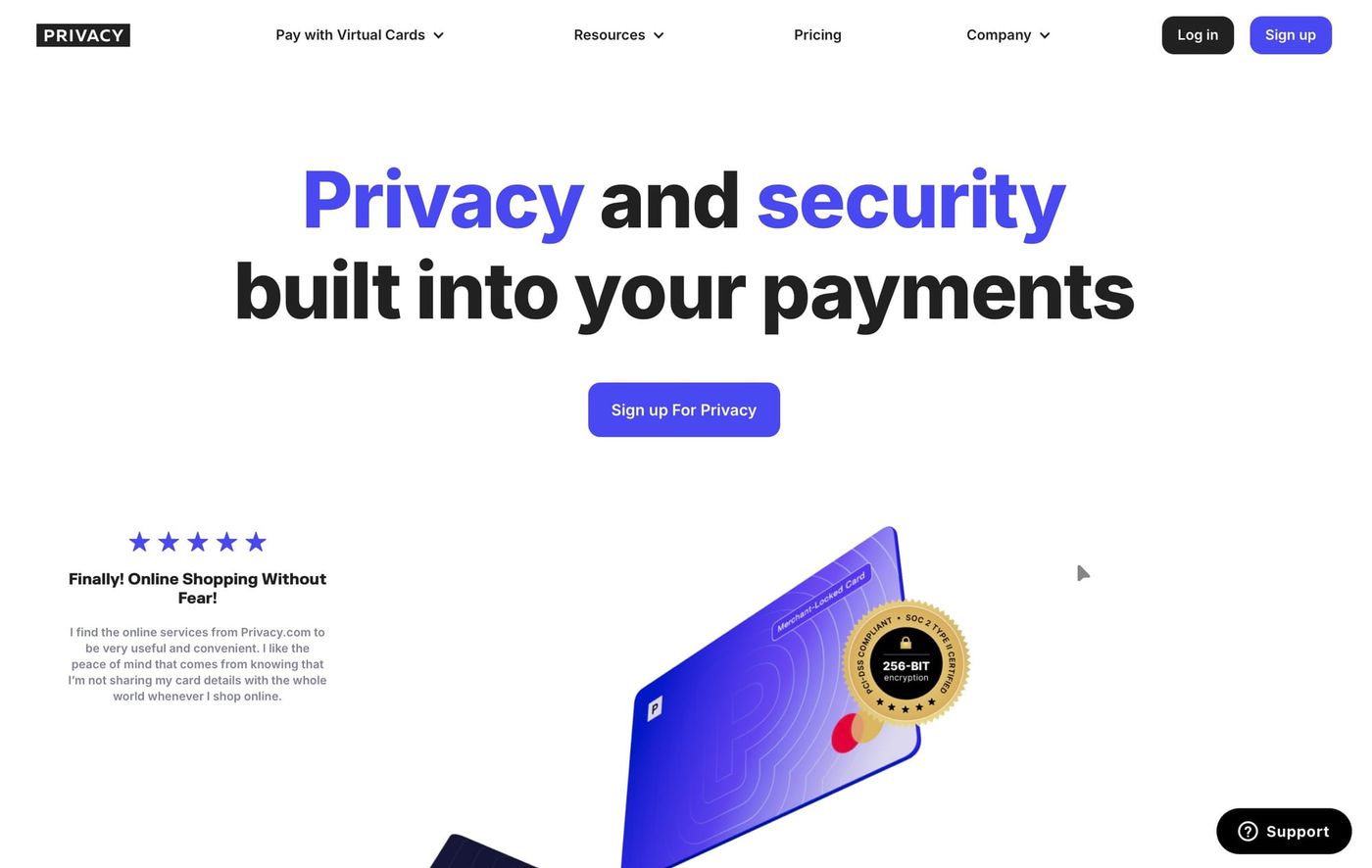
That was 5 years ago, and for us, that was the last time. There's a simple fix, and we've been using it ever since. Stop handing your real card number to the internet in the first place.
What is a Virtual Card?
A virtual card is a normal 16 digit card number with a CVV and an expiration date. It works at checkout exactly like the plastic one in your wallet. The difference is that it's generated on demand, it's tied to a service sitting in front of your bank account rather than to the account itself, and you can cancel it from your phone in about ten seconds.
We use Privacy.com. You link a US checking account, and it pulls funds by ACH, the electronic bank transfer system used in the United States, whenever a card gets charged. Merchants never see your real account details. Instead, they see a disposable card number that exists only for them.
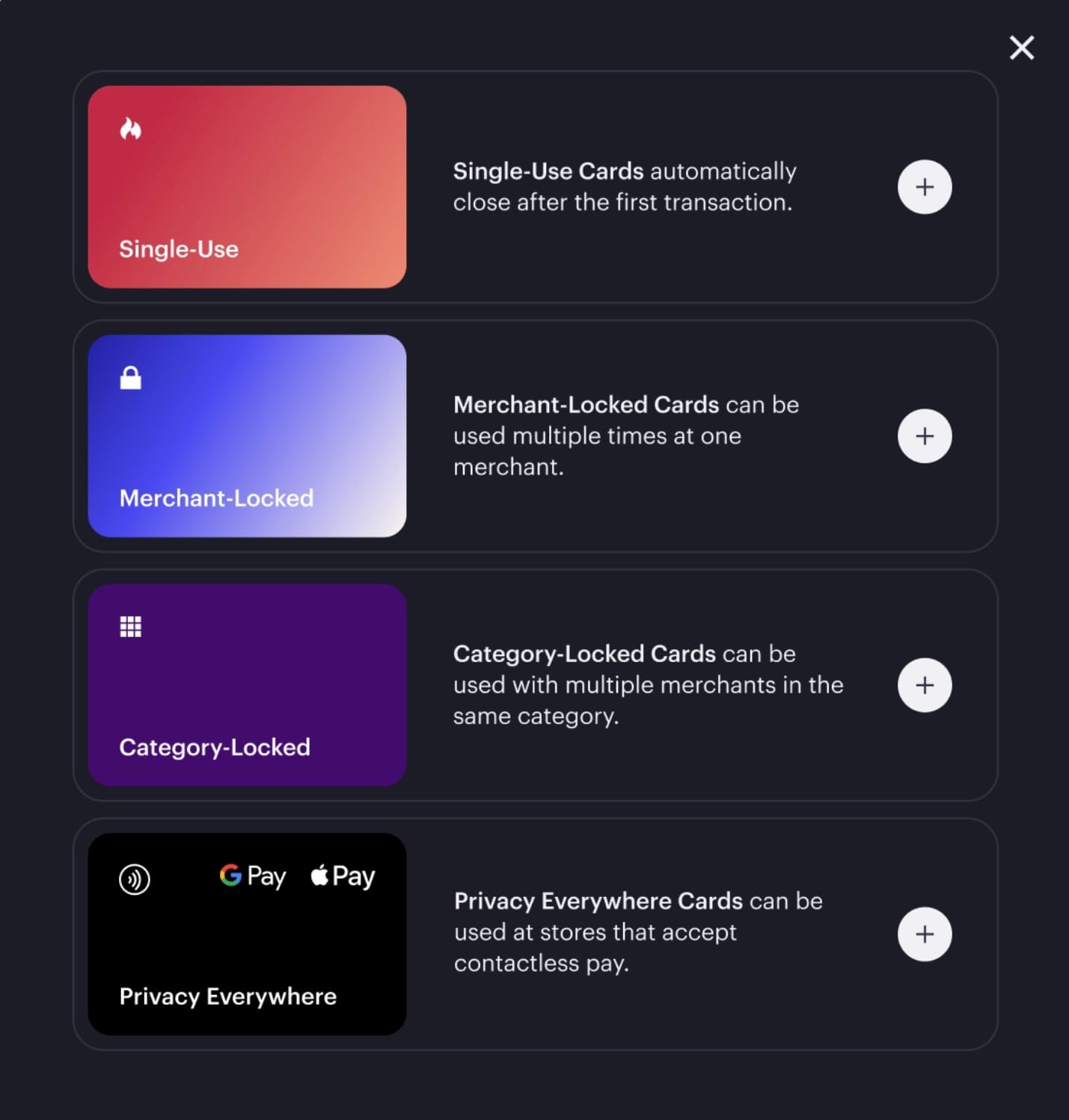
Three card types do most of the work:
Merchant locked cards attach themselves to the first business that charges them, then refuse every other business forever. If that number leaks in a data breach, it's worthless to whoever stole it. This is the one we use for subscriptions and for any vendor we expect to buy from again.
Single use cards close automatically after one transaction. This is what we reach for when we're buying from a chandlery we've never heard of, or a parts supplier we found through a forum post, or anything that gives us the slightest pause.
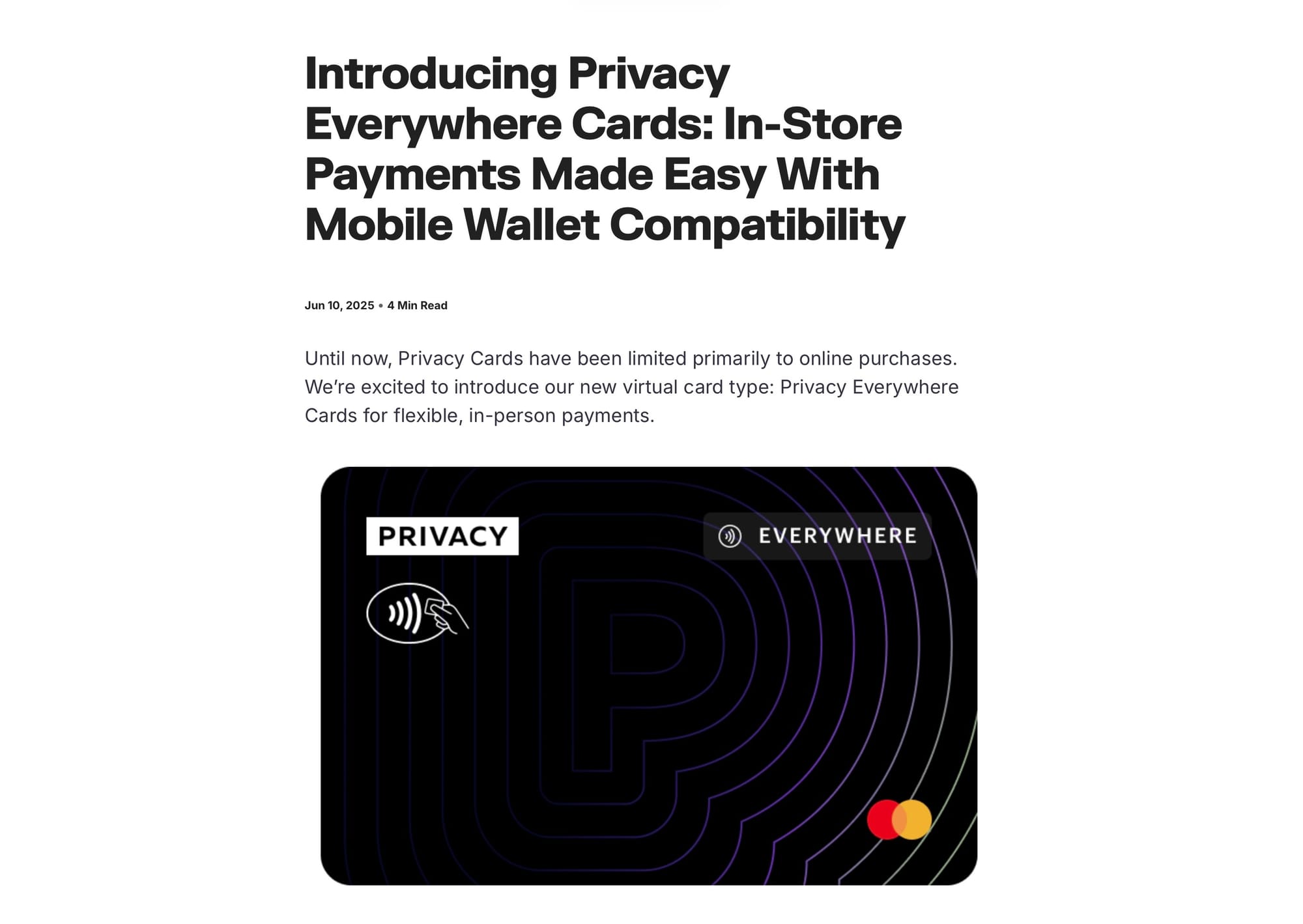
Everywhere cards aren't locked to one merchant and can be loaded into Apple, Google, or Samsung Wallet. This is the one that covers you in person, and it's the one that would've saved us in the Bahamas. More on the catch below.
You also set a spending limit on every card. Per transaction, monthly, or total. A merchant can't charge you more than you agreed to, because the money simply isn't there to take.
The 3 Things That Matter Most on a Boat
A compromised number stops being an emergency. If a card gets skimmed or breached, you close it in the app and generate a new one. No phone call to a bank at three in the morning your time. No waiting on somebody's flight. Your actual bank card never got exposed, so it keeps working the whole time.
Subscription cancellation becomes trivial. Every cruiser has a stack of recurring charges: weather routing, streaming so you've got something to watch at anchor, cloud backup, software licenses, the marina app you used once. Some of these companies make cancellation genuinely difficult, especially from a boat in a different time zone with poor internet. When each subscription has its own dedicated card, you don't have to argue with anyone, and you don't have to go log into all of them either. You just close the card. The charge declines. Done.
The same trick makes free trials safe. Give the trial a single use card with a $1 limit and forget about it. It can't auto renew into a real charge, because there's nothing to charge.
You get compartmentalization. One vendor gets breached and it touches exactly one card, not your entire financial life. We've used these cards with vendors all over the world, plenty of them foreign, and we've never had one declined for being virtual. It's a US issued number, and it processes like any other "real" card.
The Honest Limitations
We're not going to pretend this is a perfect tool.
In person, you need contactless. Everywhere Cards load into Apple, Google, or Samsung Wallet, so you can tap with a virtual card and the merchant never touches a real number. Nothing about your account goes across the counter, and you can still kill the card from your phone. It works anywhere contactless Mastercard is accepted. The catch is how many places that isn't, especially in the islands. Plenty of the restaurants, chandleries, and fuel docks we deal with still want the physical card in hand, and no virtual card helps you there. Where you can tap, tap. Where you can't, you're back to the plastic or better yet, cash.
It's US centric. You need a US checking account to fund it, and foreign transaction fees can apply on purchases from merchants based outside the US. If you're not a US resident with a US bank, this particular service isn't for you, though similar options exist elsewhere. We'd be curious to hear from someone who has set up a US bank account through Wise: are you able to use Privacy.com?
Everywhere Cards cost extra. They're only on the two upper plans, currently Pro at $10 a month and Premium at $25. The free plan and the $5 plan get merchant locked and single use cards, which is the online protection, but not the tap. Worth knowing before you decide which tier you actually need. Also, if you're on Pro for the cashback, Everywhere Card purchases don't earn it.
There's a monthly card limit. The free Personal plan allows 12 new cards per calendar month, which is more than enough for most people. Paid plans go up from there, currently 24 cards on the $5 plan, 36 on Pro, and 60 on Premium. Check their pricing page for current numbers, since these things move.
How We Use it Aboard Sabado
Every recurring service has its own merchant locked card, named after the vendor, with a monthly limit set slightly above the expected charge. That way an unexpected price increase gets declined and we find out about it, instead of discovering it three months later on a statement.
Anything one time or unfamiliar gets a single use card sized to the exact purchase amount.
Our real bank card stays out of every website. It comes out for the places that still need a physical card in hand, and that's the only job we ask of it.
The result is that a card compromise, which cost us a month the first time, is now roughly as serious as a dead flashlight battery. Annoying for a minute, then handled.
If you want to try it
The basic plan is free, so there's no real reason not to test it on your next online purchase: Privacy.com
To be clear, there's no referral link in this post and nobody is paying us for it. We only write about gear and services we actually use aboard, and this one has saved us real headaches. Out here that's worth more than the money.