Watch our YouTube video of this passage here!
Crew, VIP, and Flagship members can enjoy it ad-free here.
We cleared out of New Zealand at 10AM. New Zealand Customs and Immigration are particularly strict, so we were underway by 10:15. In many places, you’re allowed up to 24 hours between clearing out and departure as long as you don’t come ashore, but here it’s not unusual for officials to walk you straight down to the dock after your appointment and watch you cast off. The expectation is that you leave almost immediately after clearance, so we had everything prepared ahead of time.
With barely any wind, slipping out of our berth and navigating through the Bay of Islands was a breeze. Once clear, we hoisted the main, unfurled the jib, and motor-sailed our way toward warmer waters.
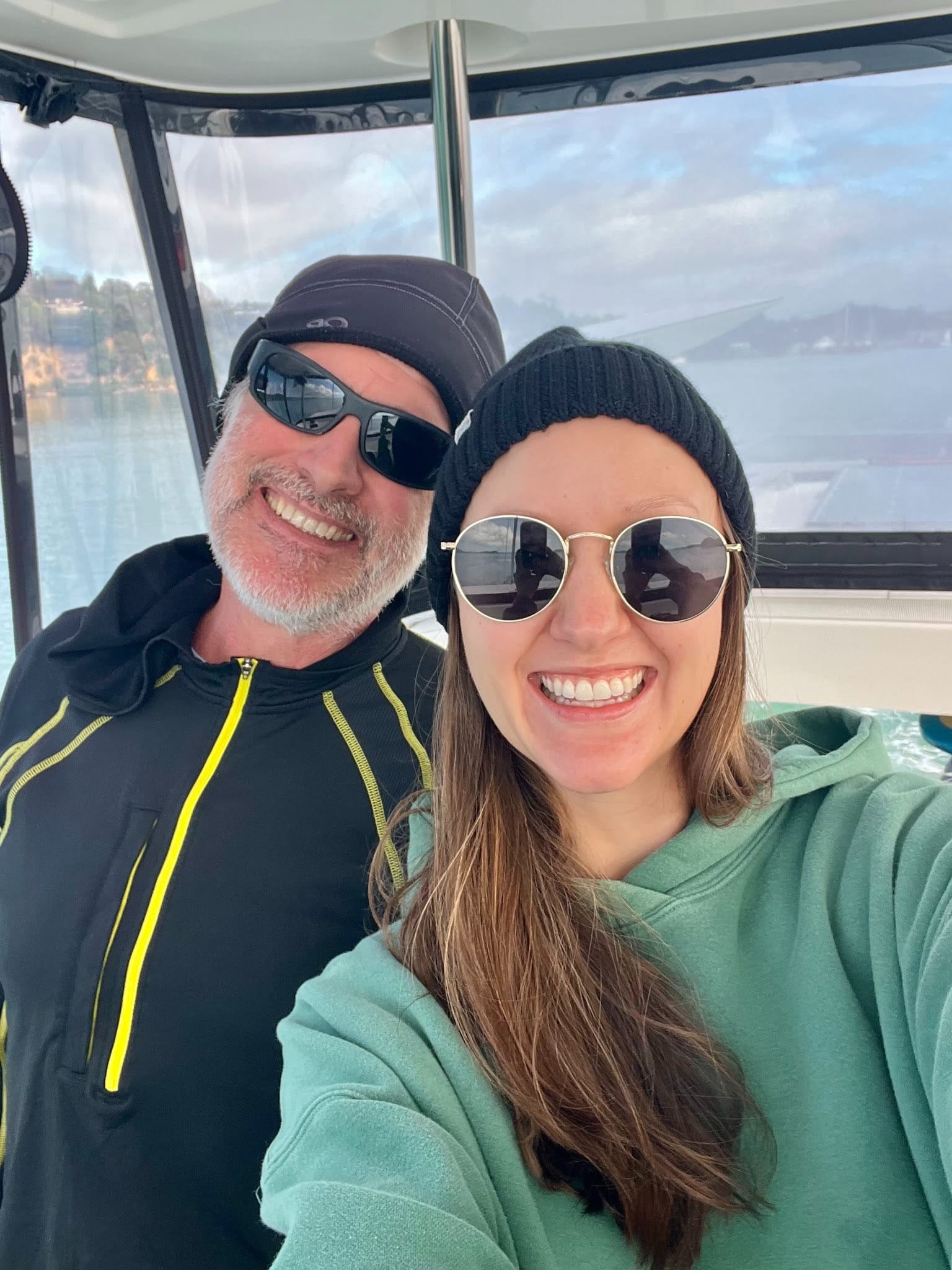
The marina emailed us the bill for our stay, and I wired the payment straight away (thank you, Starlink!). I’m still surprised by how relaxed things are here when it comes to billing. The boatyard where we completed our refit sent us two additional invoices weeks after we splashed, and our previous marina didn’t send an invoice until ten days after we had already left. That only happened after we reached out to let them know we were planning to leave the country soon and wanted to settle up.
In most places we’ve cruised, payment is due on arrival, or at the very least a credit card is kept on file and everything is settled before you depart. New Zealand seems to take a much more trusting approach. It definitely caught us off guard, but it’s another reminder that things are done a little differently here.
Lunch was excellent: BLTs on homemade sourdough ciabatta made with bacon I had cooked before departure. I really nailed the meal prep for this passage. I spent less than 30 minutes in the galley every day, which made a huge difference. Check back next week for a more detailed post about pre-departure meal prep!
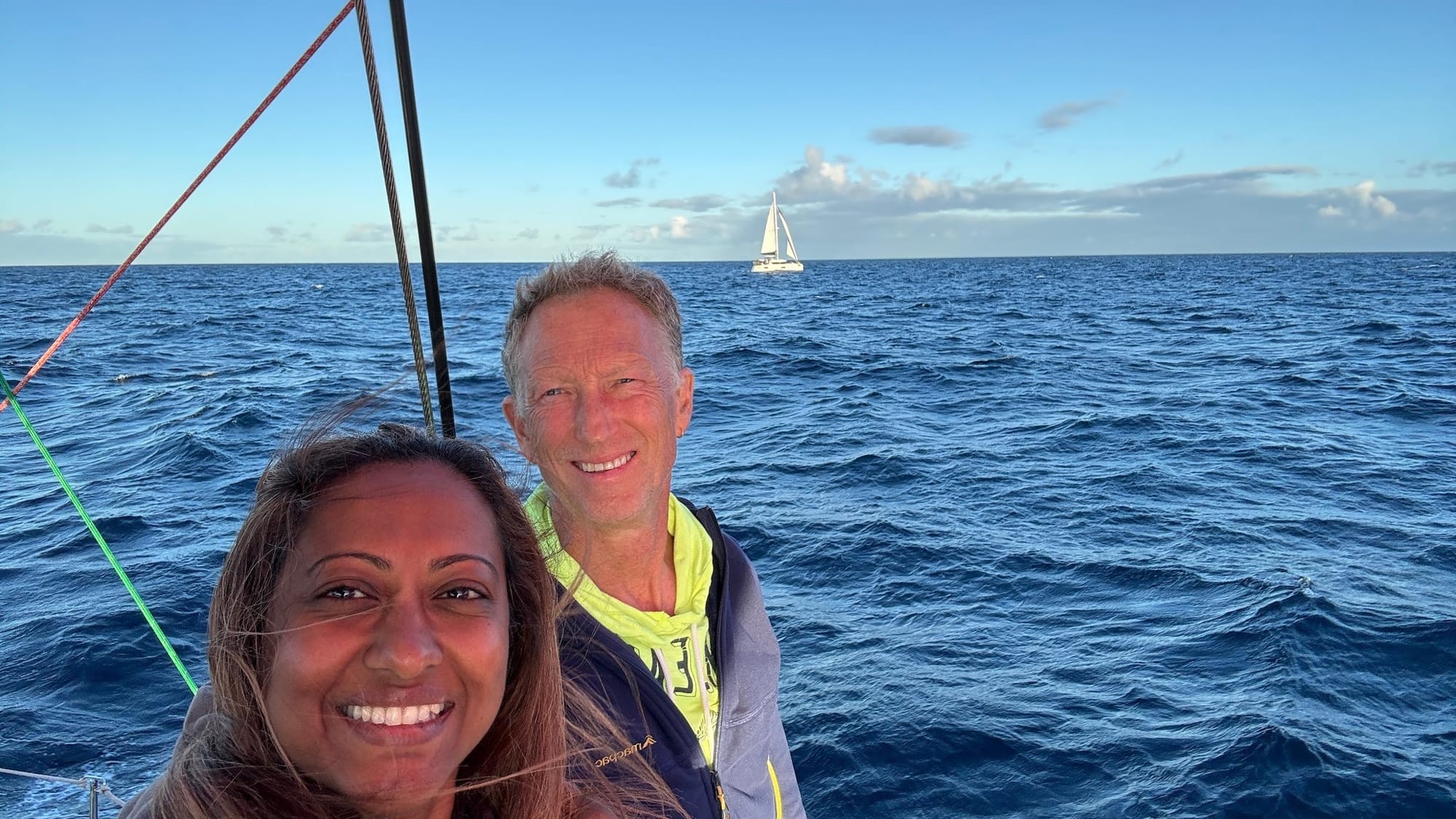
Later that afternoon, we spotted squalls building on the horizon and decided to tuck a reef into the main. Not long after, the Outremer 51 we had met that morning in the Customs office came flying past us under full main and a large headsail, properly powered up. We waved and laughed at our decidedly more conservative sail plan.
Maybe we’re just a little cautious after spending so much time off the boat, but at the end of the day, you have to captain your own ship. We were happy to keep gliding along, reefed, steady, and comfortable. We swapped photos over WhatsApp as we passed each other.
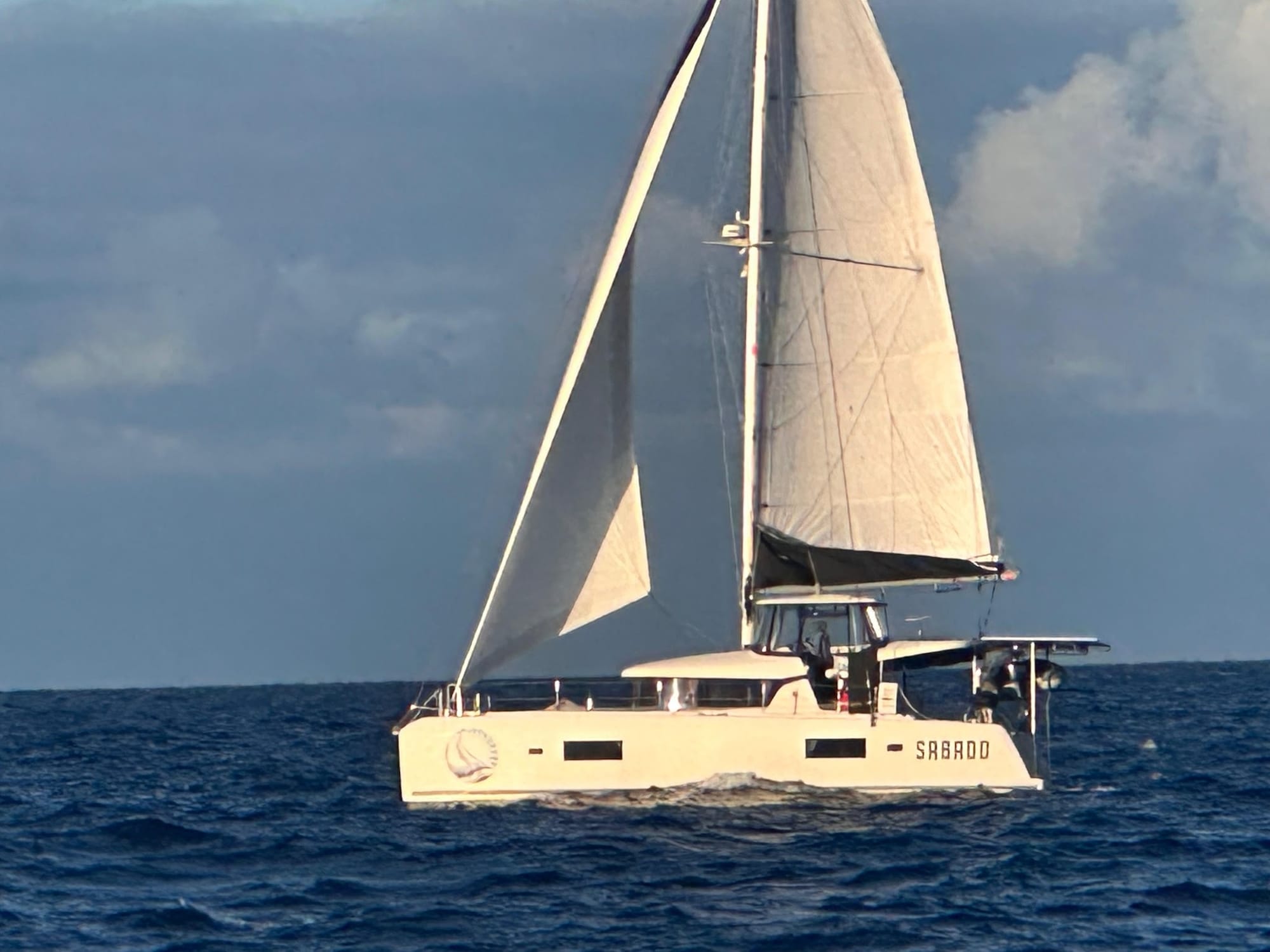
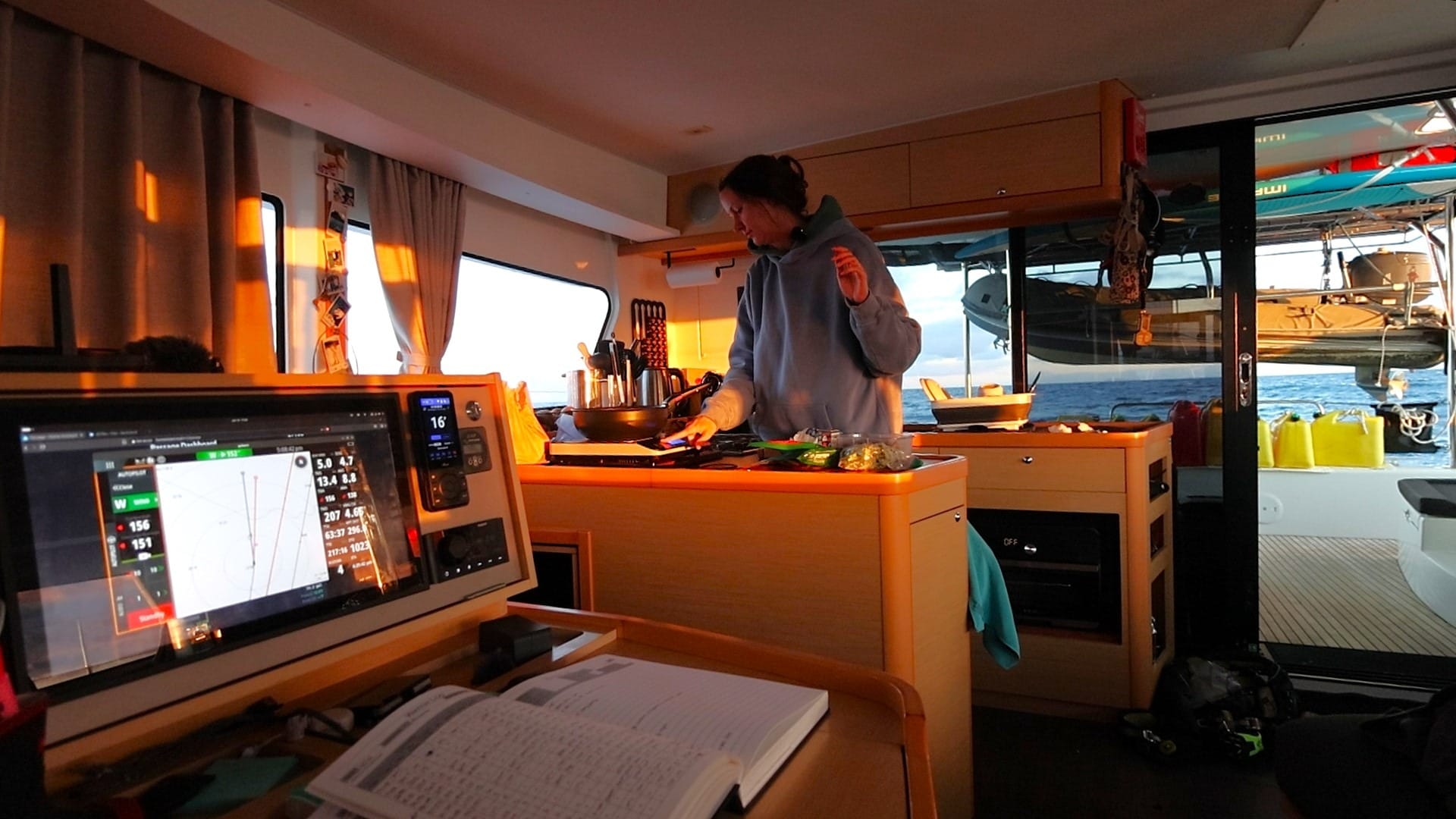
Our new rig is gloriously quiet. No clanking wires, no squeaky gooseneck, just the clean, solid sound of the boat moving through the water. Sunset crept up faster than expected, and I rushed to get dinner sorted in the last bit of daylight.
As the wind and sea state built, my first night watch turned uncomfortable. The combination of beam seas and no moon meant there was no visible horizon to help me find my bearings. For me, that combination is a fast track to seasickness.
It only hits me a handful of times a year, usually after time off the boat or during dark, rolly nights where it’s difficult to get oriented. I’ve learned the best approach is to stay ahead of it: keep moving, stay hydrated, eat something plain like crackers, and stay busy with small physical tasks like coiling lines or tidying the helm. If needed, I’ll use these drug-free patches. I don’t know what kind of magic is in them, but they’ve reliably carried me through to sunrise many times. If things escalate though, I won't hesitate to pop a Dramamine!
By 11PM, we were making 7.5 to 8 knots over ground in around 20 knots of true wind, sailing at roughly 145° (true wind angle) with one reef in the main and the jib out on a barber hauler.
Ray woke me around 2AM for a gybe. As a short-handed crew, we have a rule that whenever the person on watch needs to go on deck, they wake the other person first. That way, someone is always at the helm and can respond immediately if anything goes wrong. I kept an eye on Ray as he moved the preventer and barber hauler over to the opposite side of the boat. Once everything was squared away, I curled back up under the blankets in the salon for my last hour of sleep before the shift change.
As night turned to day and then back into night again, we settled into our watch schedule for the remainder of the passage:
Ray: 12AM to 3AM, Holly: 3AM to 6AM, Ray: 6AM to 9AM, Holly: 9AM to 12PM, Ray: 12PM to 3PM, Holly: 3PM to 5PM (dinner and dishes 5PM to 6PM), Ray: 5PM to 9PM, Holly: 9PM to 12AM
It was shockingly cold until the final day of the passage. I bought us both these comically thick grippy wool socks (thanks for the recommendation, Gladys!), and I think they’re the only reason I still have toes. We kept our handline out in hopes of catching fresh tuna or mahi mahi.
The wind became frustratingly inconsistent, dying, shifting, and occasionally returning before disappearing again within the hour. We played the game for a while, hoisting and dropping the sails every shift, before finally accepting that we would be motoring for most of the passage.
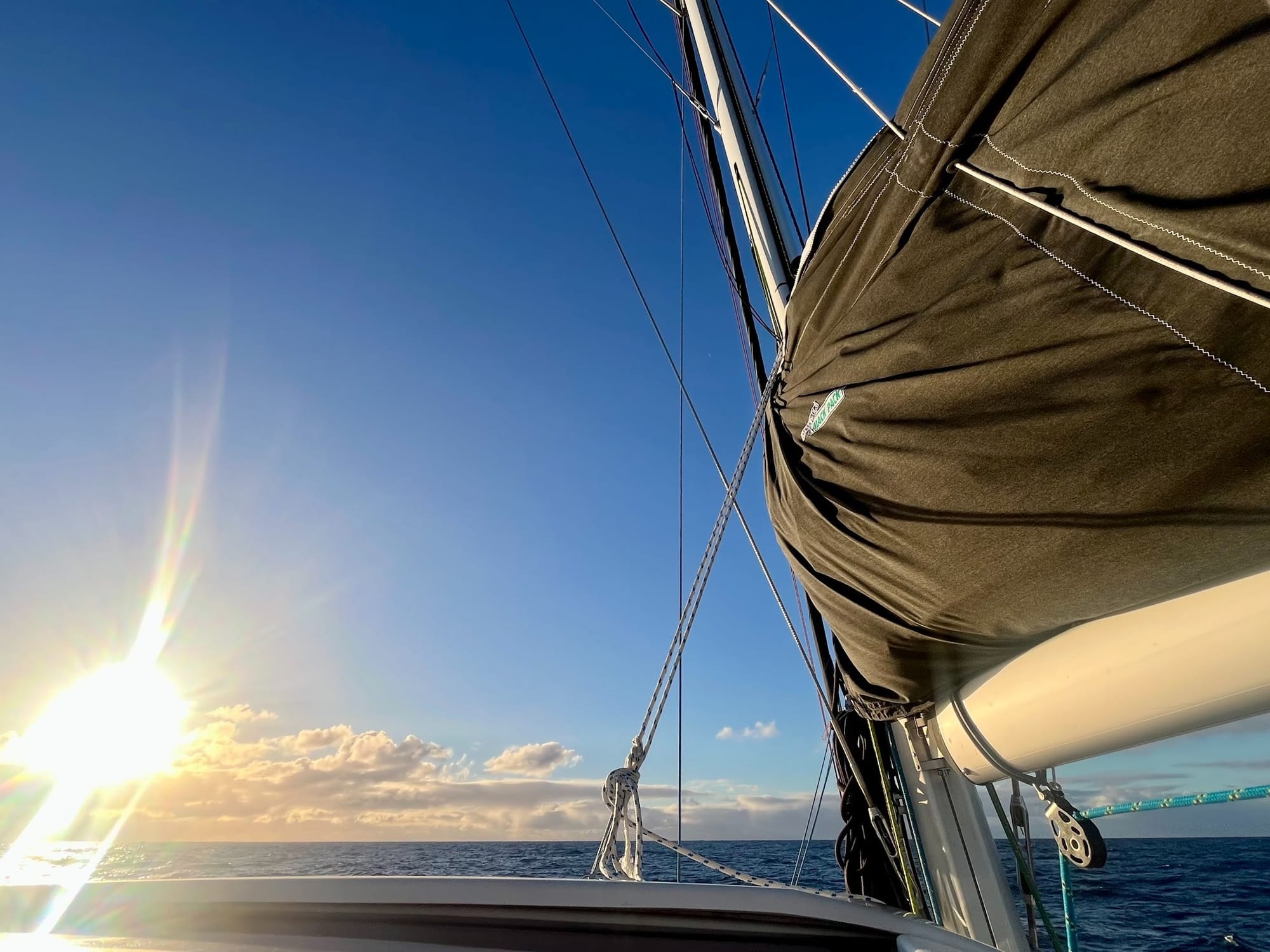
We made sure to secure the halyard carefully, but the seas were still tossing us around a bit. Last year in similar conditions, the halyard got stuck at the top, tangled around the stay, and Ray had to go up the mast while underway to free it. We definitely don't want to make that mistake again. So, we pulled it tight, added another line through the shackle at the top of the sail, and secured it to the coach roof for extra tension.
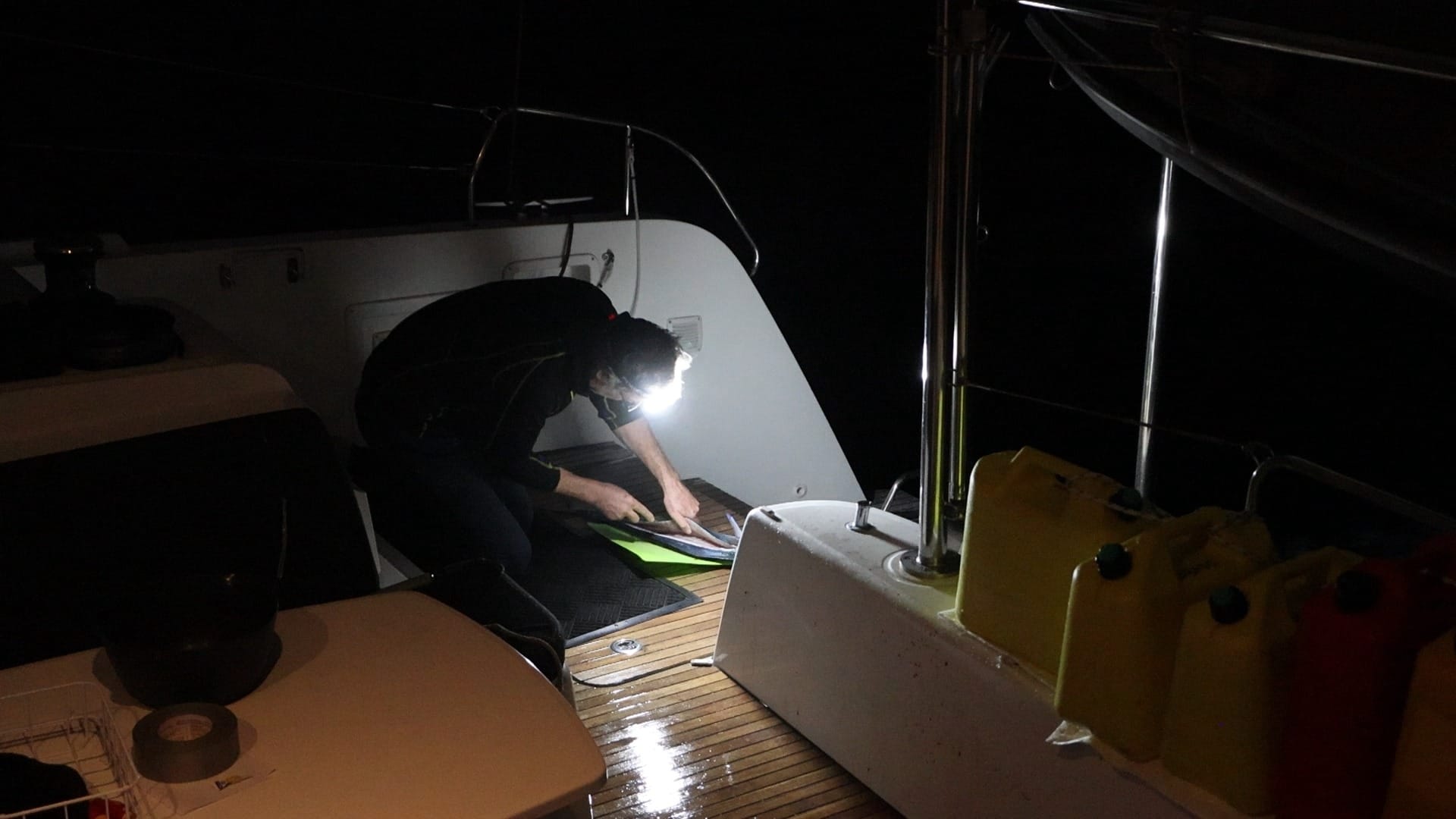
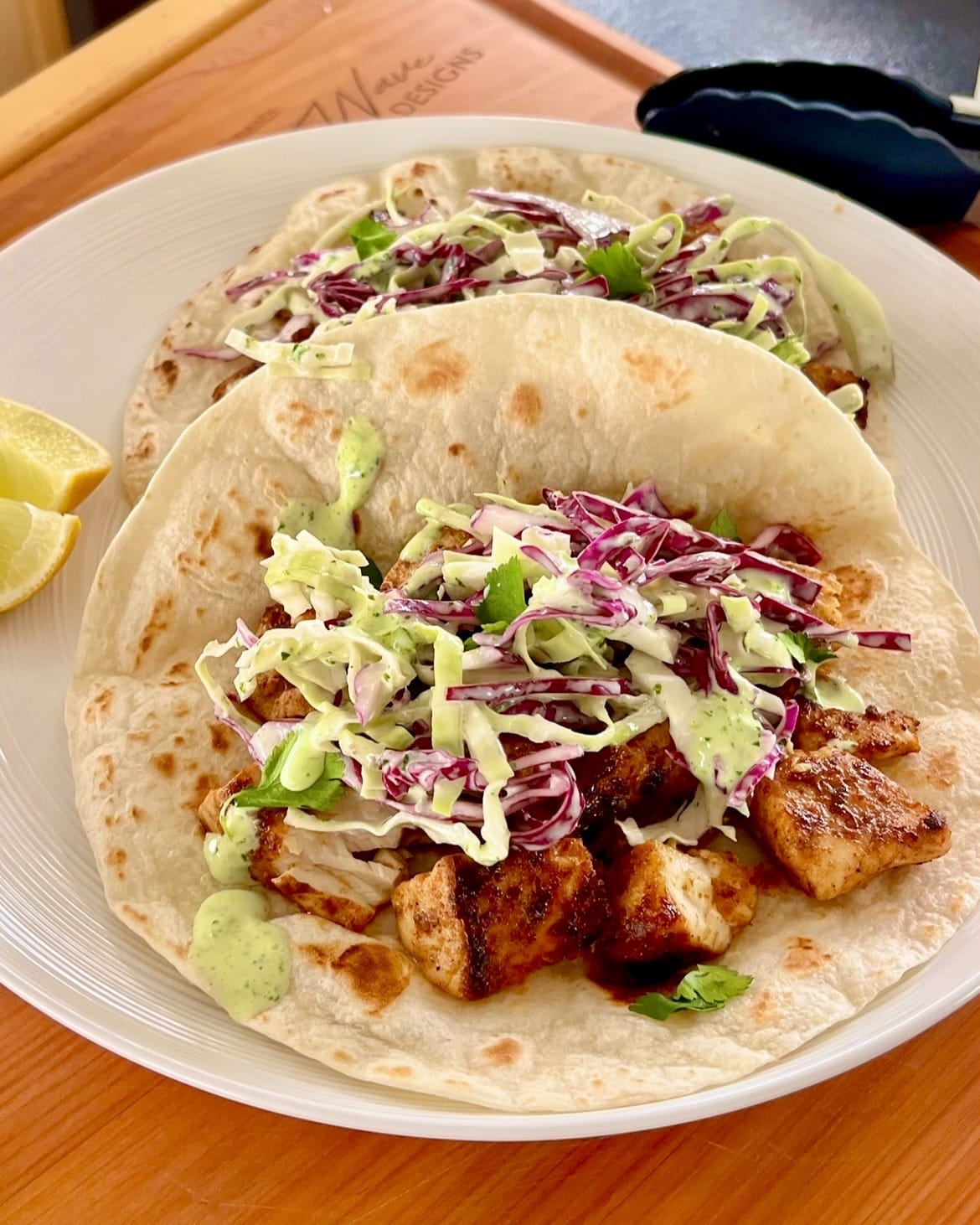
We forgot to bring in the handline before sunset, but luckily were rewarded with a mahi mahi in the dark. Ray filleted it on the sugar scoop with a headlamp while I watched the helm. Maybe leaving the lines in too long will be our new fishing strategy...
In the middle of the night, Ray woke me up to look at a spaceship. If that sentence makes you laugh, you probably haven’t done enough overnight passages because we see some strange things out here. I always tell Ray to wake me up for wildlife sightings while we’re underway, and I suppose this counted?
I reluctantly emerged from my cozy blanket cocoon to investigate. There was a light in the distance. At first, it looked like another boat, but then it started moving rapidly. It would disappear, then reappear much closer, or perhaps just much brighter. Eventually, I decided I didn’t want to find out what it was, climbed back into bed, and went back to sleep. Ray, however, stayed up and said he eventually watched it shoot upward into the sky until it disappeared.
Then, around 4AM, I witnessed something strange, too.
Off our starboard beam, more than ten shooting stars streaked across the sky at the same time. I see plenty of shooting stars during overnight passages, but never that many at once or so concentrated in one area.
As I watched more closely, I noticed a strange arc of light nearby, almost like a rainbow, but pale grey instead of multicolored in an otherwise black sky. The moon was on the opposite side of the boat, so it wasn’t one of the lunar halos you sometimes see. The glowing arc lingered for nearly an hour before finally fading away.
Let us know what you make of all of this. We’d love to hear your theories!
During the day, we often switched the inverter off to conserve power, as persistent high cloud cover kept our solar production lower than usual. It was frustrating to watch squall after squall build on the horizon, only for none of them to bring enough wind for sailing. We kept an engine running and switched between them periodically to balance our fuel tank levels.
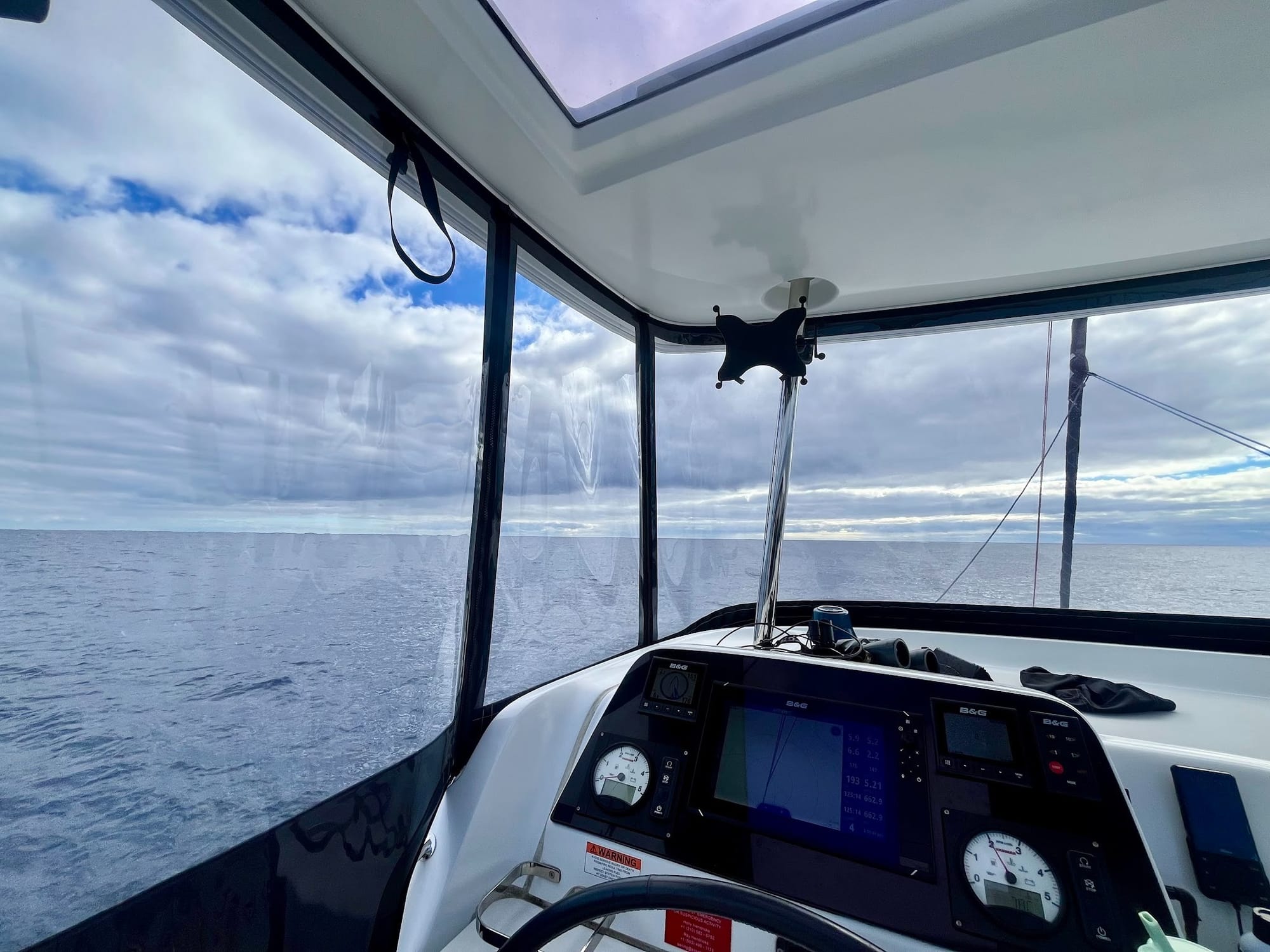
We Facetimed my dad on Father’s Day. One of the bittersweet realities of this lifestyle is missing moments with family. We’re grateful for modern technology that lets us at least feel a little closer, even from thousands of miles away.
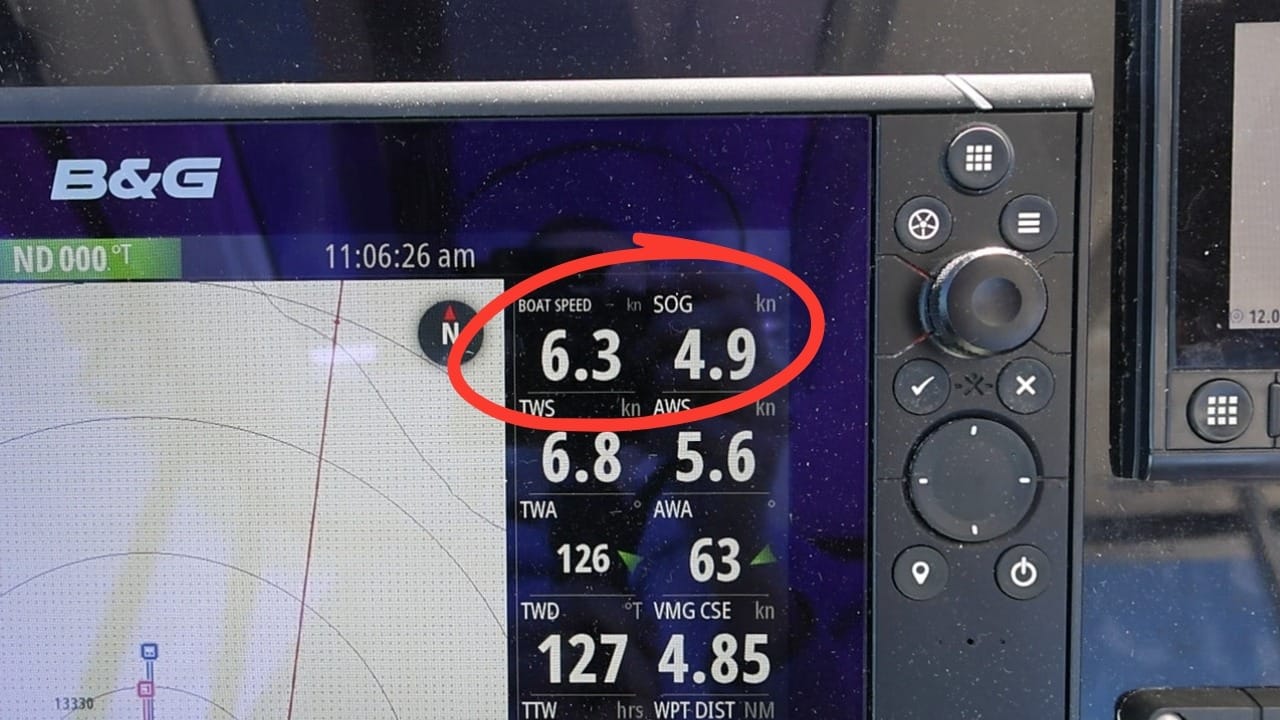
The final few days of our passage were challenging as we battled a 1 to 1.5 knot current. It dramatically slowed our progress, burned through diesel, and tested crew morale.
Fresh fish tacos temporarily lifted our spirits, though.
On day 8, we caught our first glimpse of land. Ray hoisted the Q flag, and we were relieved to see the current finally dissipate. We raised the sails for the final couple of hours of the passage and happily traded our sweatpants and socks for shorts and sunscreen.
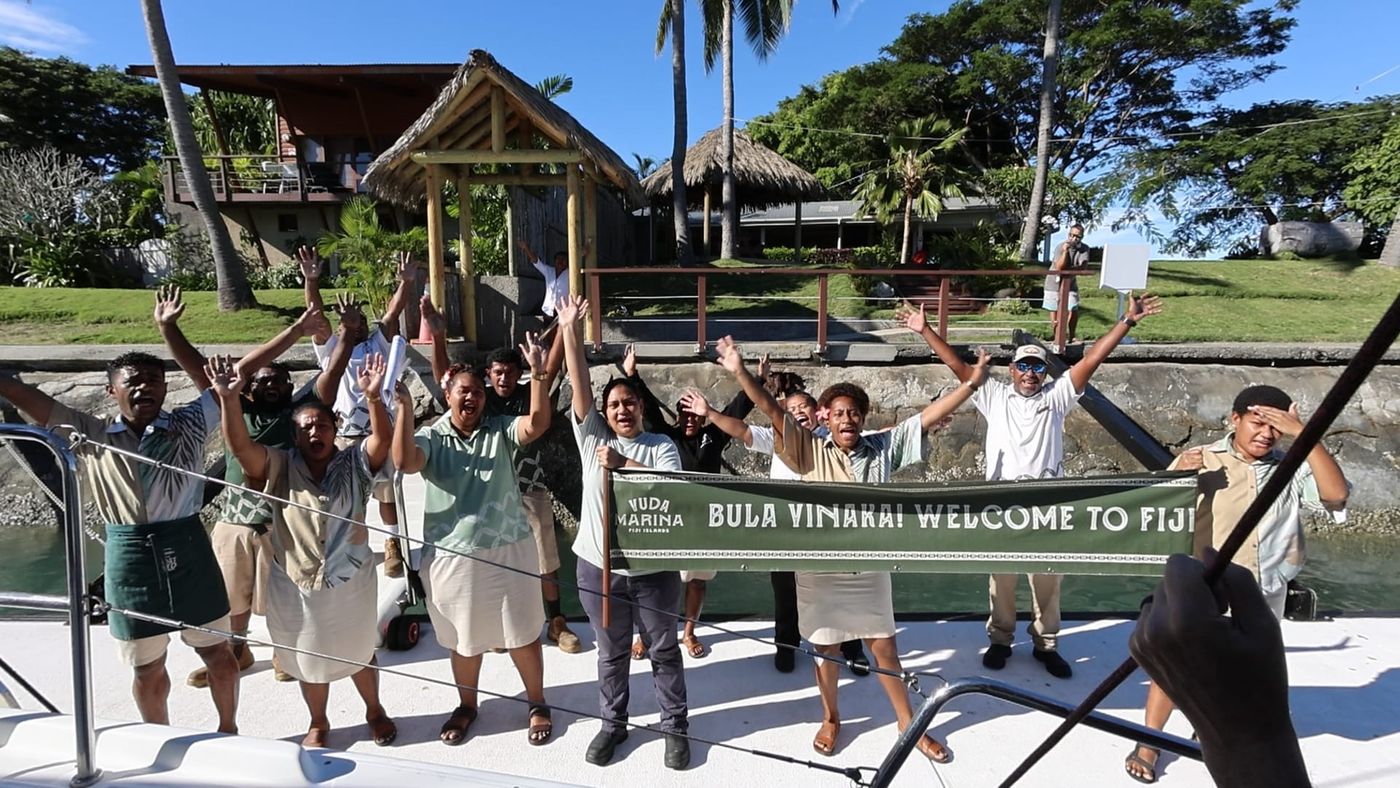
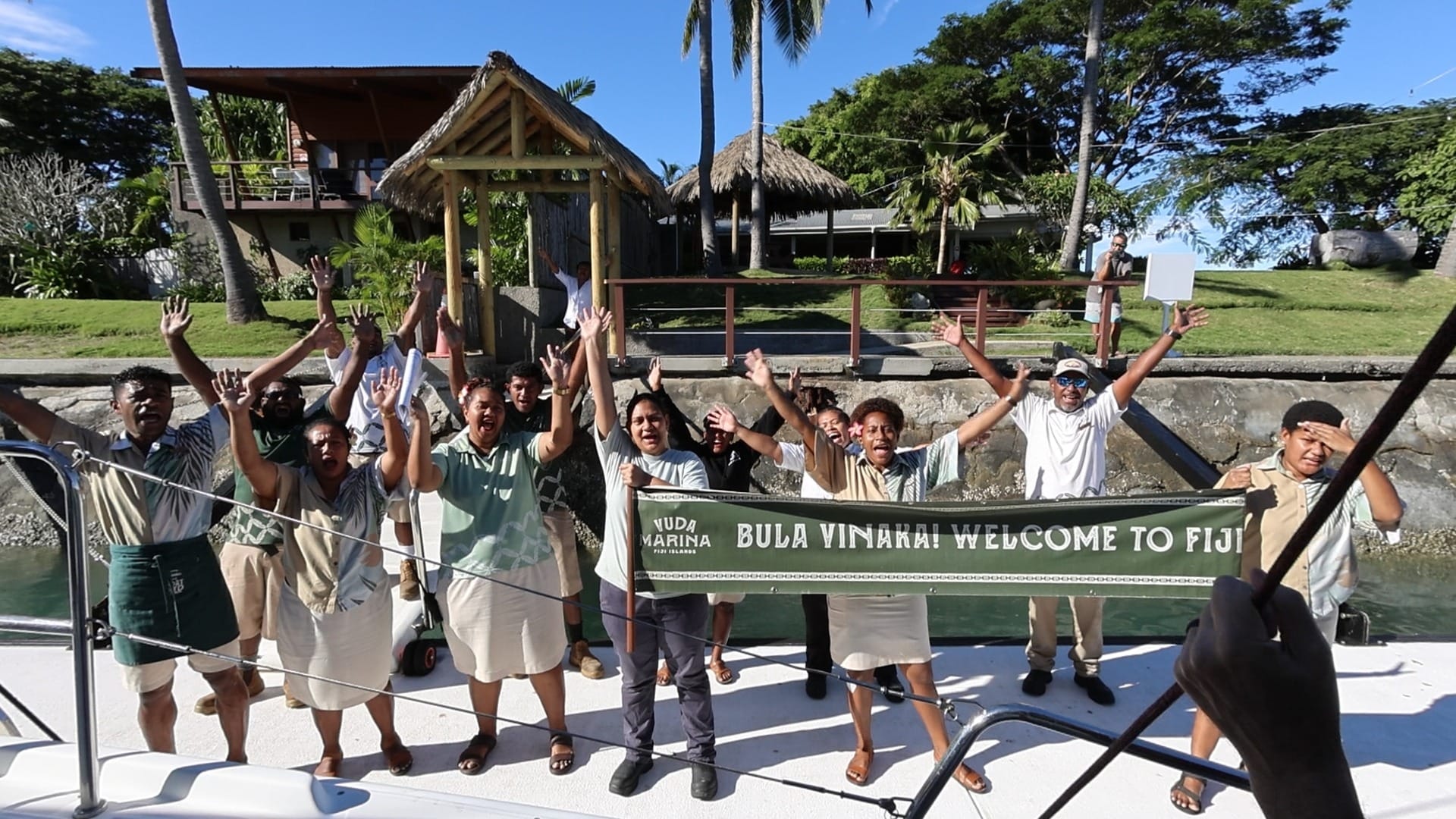
Our arrival at Vuda Marina was special. The entire staff came down to the dock to welcome us with a song and a flower garland called a salusalu. It’s a traditional Fijian welcome and a symbol of hospitality, respect, and congratulations.
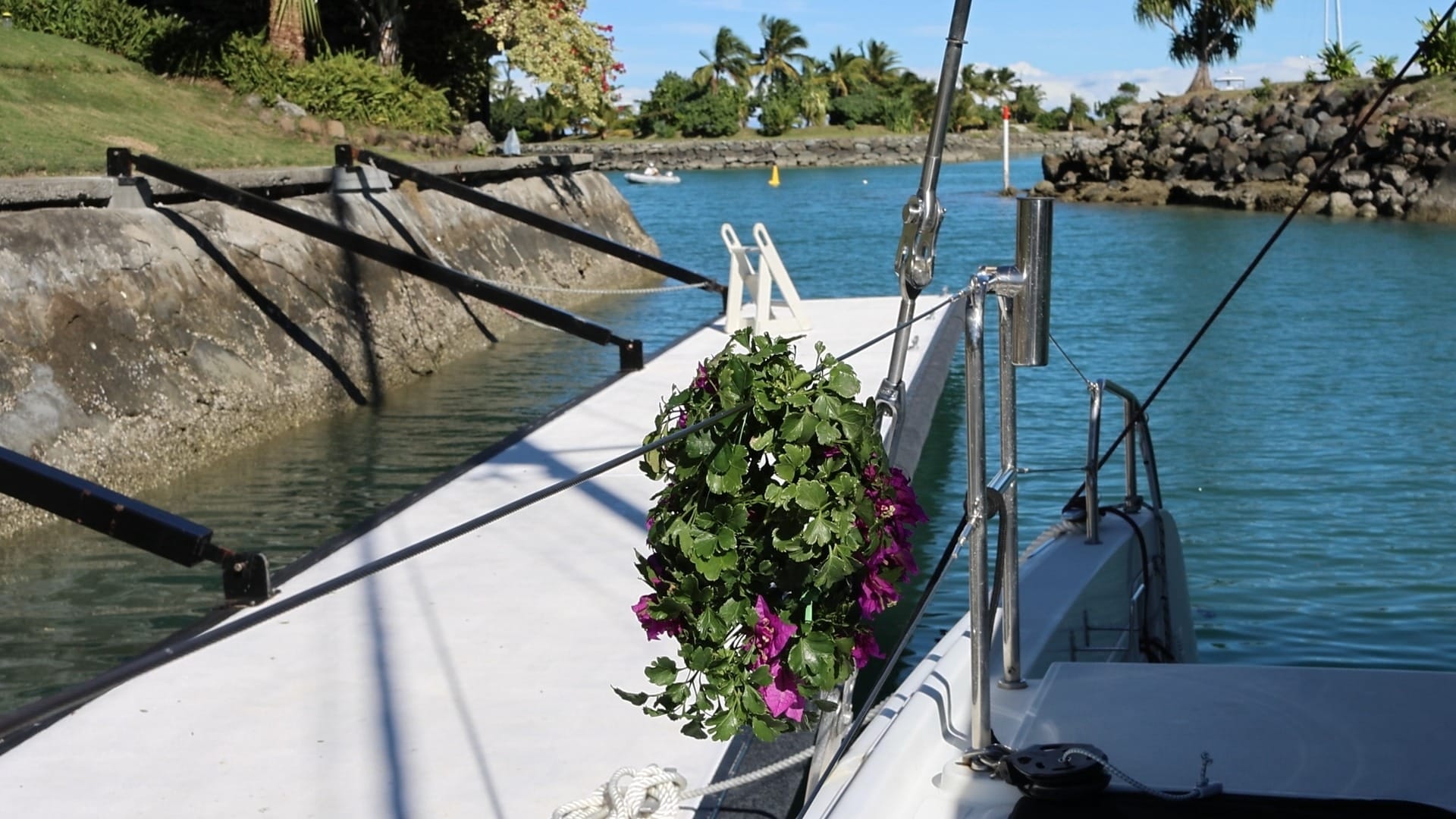
We got settled into the marina and med-moored for the very first time. It wasn't nearly as intimidating as I'd expected! We'll be staying here until our cruising permit is issued, giving us a chance to thaw out after our cold passage and ease back into cruising life. :)